The shoulder season — May into June, and late September into October — is when many experienced visitors quietly prefer Theth. You trade the guaranteed weather of high summer for thundering snowmelt waterfalls in spring or golden forests in autumn, far fewer people on the trails, and lower prices. The catch is variability: weather swings more, some services open late or close early, and high passes can hold snow well into June. Come in the shoulders with flexible plans and you may get the best of the valley. Here is what to expect.
For the full year-round view, see our pillar guide to the best time to visit Theth.
Shoulder season at a glance
| Spring (May–early Jun) | Autumn (late Sep–Oct) | |
|---|---|---|
| Draw | Snowmelt waterfalls, wildflowers, green valleys | Golden forests, crisp clear air, calm |
| Crowds | Light and building | Thinning to quiet |
| Weather | Variable; rain and mud common | Settled early, turning colder and wetter late |
| High passes | May still hold snow into June | Usually clear until first snows |
| Services | Some guesthouses reopening | Some closing as the month ends |
| Prices | Lower than peak | Lower than peak |
The short version: the waterfalls are at their most dramatic in spring, the light and quiet are best in autumn, and both beat July–August on crowds and cost. But confirm that your guesthouse is open, check whether the Valbona Pass is clear of snow before you count on it, and pack for changeable weather.
Spring: snowmelt and wildflowers
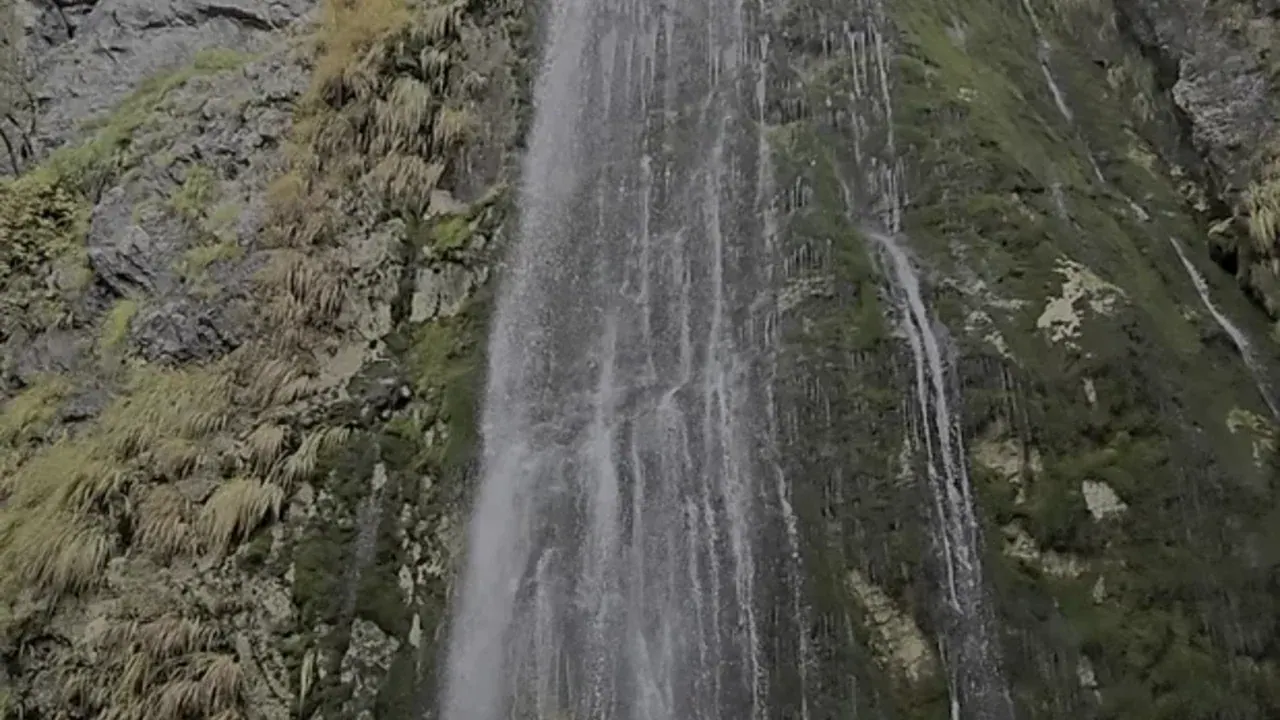
Spring in Theth is the valley waking up. As the snow retreats, the meltwater feeds the streams and the waterfalls run at their most powerful — Grunas Waterfall is at its thundering best, and the meadows fill with wildflowers. In May, daytime temperatures typically climb into the mid-to-high teens, easing towards 20–25°C in June, with cool nights throughout.
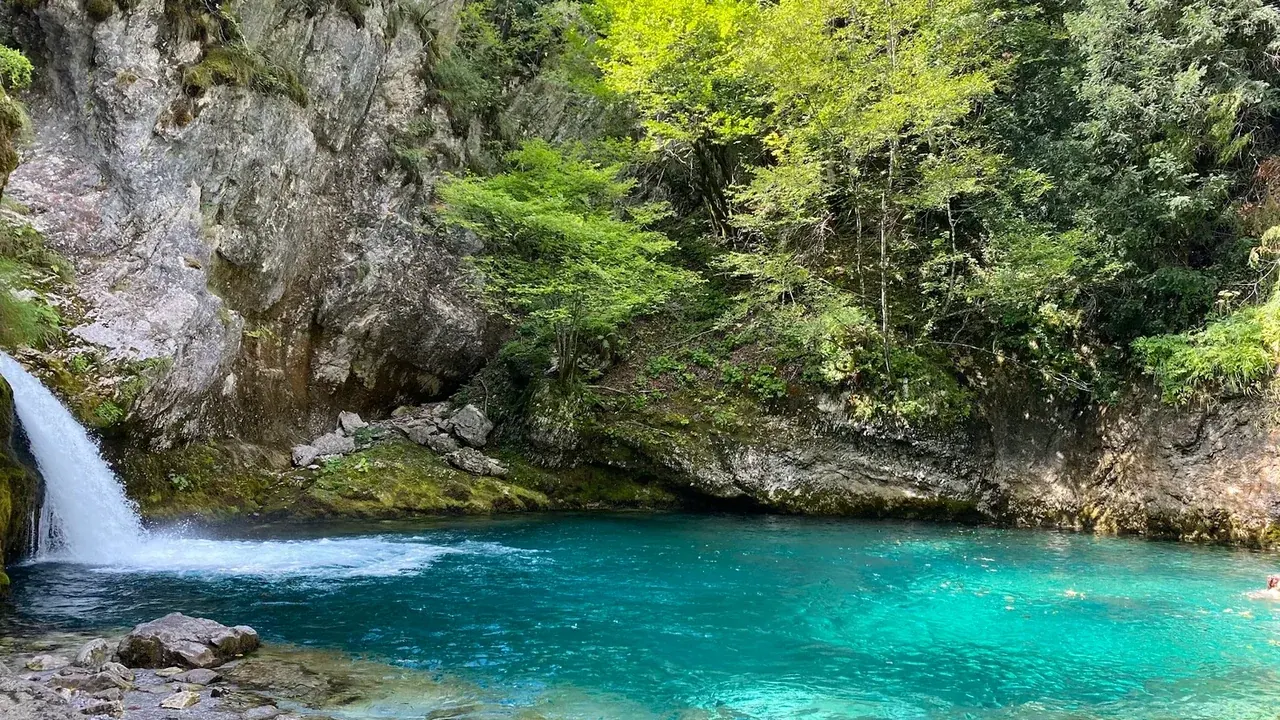
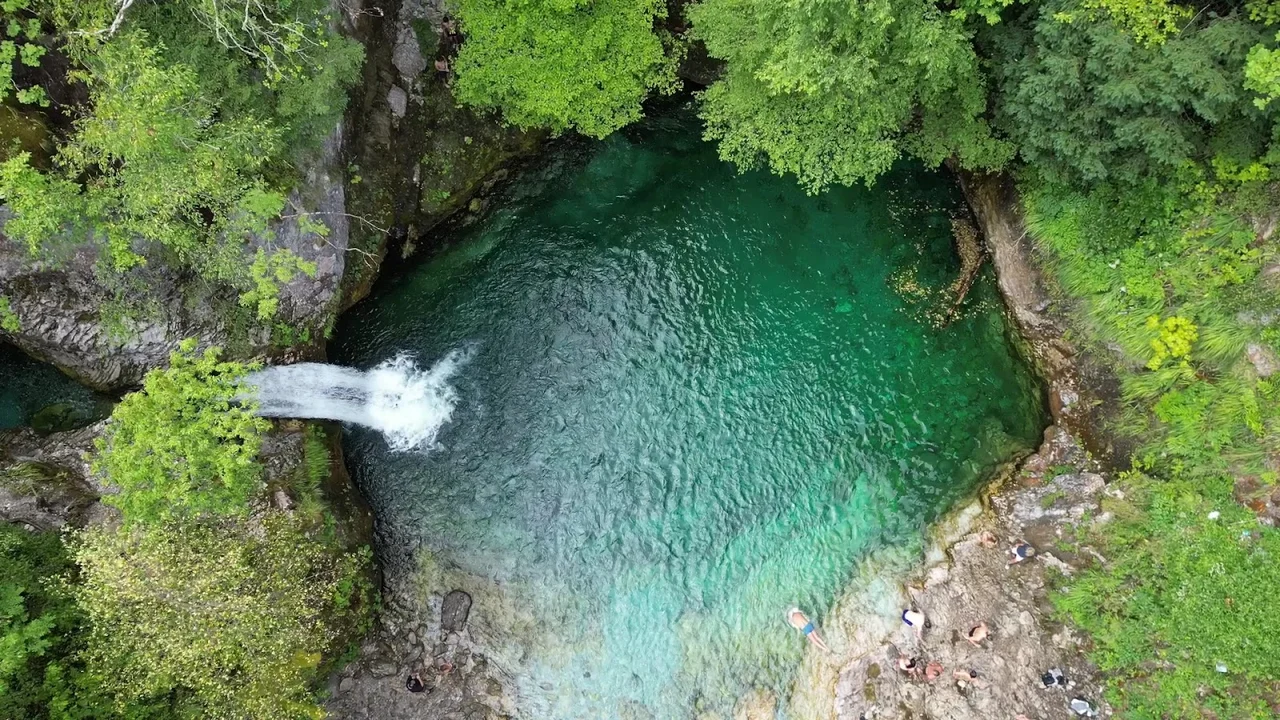
The trade-off is underfoot and overhead. April and May bring rain, trails turn muddy, and — crucially — the high passes can still be under snow into June. The Theth to Valbona crossing and the higher Peja Pass may be snowbound or hazardous early in the season, with the upper sections holding hard, icy snow long after the valley has greened up. If you plan a high crossing in May or early June, check current conditions and take a local guide if there is any doubt — arrange one through our activities page. Lower walks like the Blue Eye are generally fine earlier.
Autumn: golden light and calm
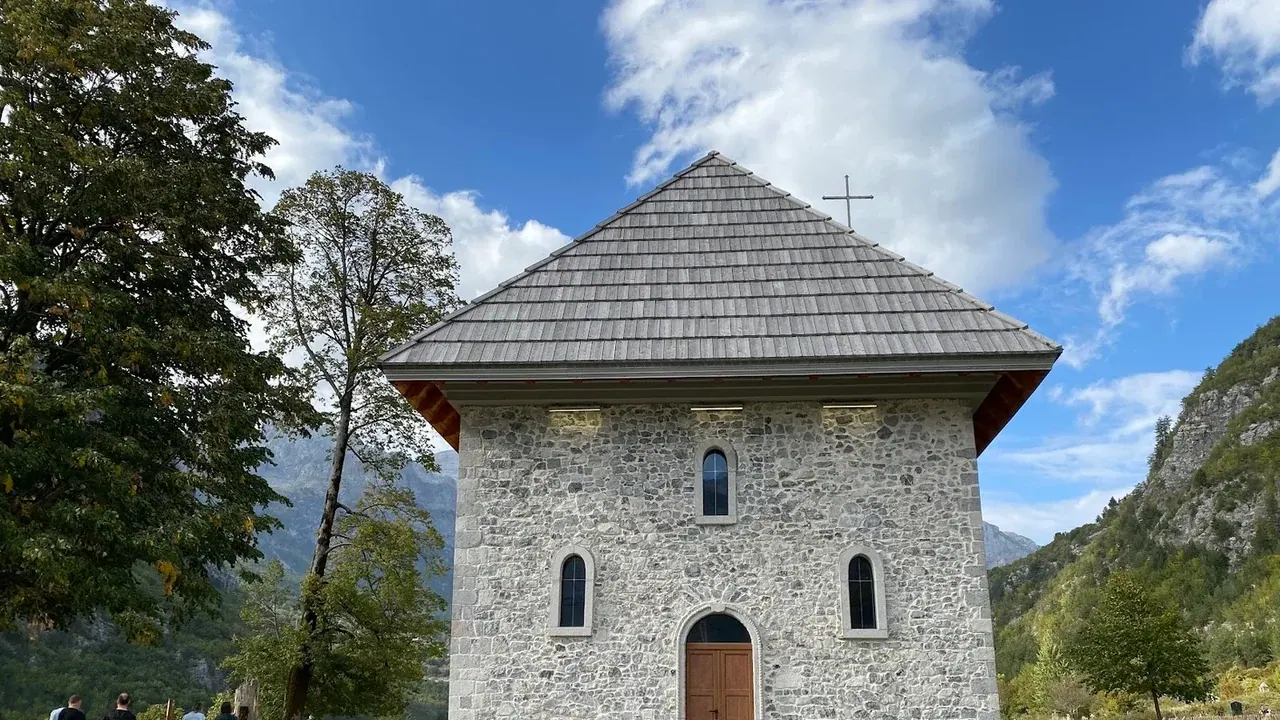
Autumn flips the mood. Late September and October bring crisp, clear air, thinning crowds and forests turning gold — for many photographers and walkers it is the loveliest time in the valley. Early autumn still offers settled, walkable weather with the summer trails open, and the frantic peak-season energy has drained away.
As October wears on, though, the season winds down: temperatures fall, rain and the first snows become more likely on the tops, and guesthouses begin to close as owners prepare to move down for winter. Go earlier in the autumn window for the safest combination of open services and good conditions, and treat late October as the edge of the winter shutdown rather than reliable hiking weather.
Weather: expect variability
The defining feature of the shoulders is that you cannot bank on the weather. A May week can deliver warm sun or cold rain; an October week can be golden or the first serious snow. Both shoulders can hand you a run of glorious days — and both can turn. Build slack into your plans, keep the high, exposed routes flexible, and always carry a warm layer and a waterproof whatever the forecast says. The reward for that flexibility is real: fewer people, cheaper beds and a valley that feels far more like itself than it does in the August rush.
What's open — and what isn't
This is where the shoulders demand homework. In early spring, many guesthouses are only just reopening after winter, and not all services run yet; in late autumn, some are already closing. Do not assume the place you want is open — contact hosts directly and confirm before you commit to dates. Our where to stay in Theth guide covers the options; half-board runs roughly 2,000–3,500 lek (~€20–35) per person per night, often at the lower end outside peak, plus a small cash accommodation tax.
Transport thins out too. The Shkodër to Theth furgons run less frequently than in high summer at the season's edges, so confirm current departures — usually around 07:00 and 14:00, about 1,200 lek (~€12) per person — with your guesthouse the day before, and consider a private transfer if the schedule is sparse.
Cash and connectivity — same rules year-round
The shoulder season changes the crowds and prices, not the fundamentals: there are no ATMs in Theth. Carry all the cash in lek you will need from Shkodër, for accommodation, meals, guides and the ride out. Cards are barely accepted, and quieter-season services are no more likely to take them.
Mobile signal stays patchy in the valley, and Albania is outside the EU so EU roaming does not apply. Download offline maps before you travel, and if you want data to check trail and road conditions — which matter more in the changeable shoulders — an eSIM such as Saily covers the Albanian side. Between the two shoulders sits the busy summer season; either side lies winter, when the valley largely closes.
Frequently Asked Questions
When is shoulder season in Theth?
Broadly May into early June in spring, and late September into October in autumn — the quieter, cheaper windows either side of the July–August peak. Spring brings powerful snowmelt waterfalls and wildflowers; autumn brings golden forests and crisp, clear air. Both offer thinner crowds and lower prices than high summer.
Can you hike the Valbona Pass in May?
Sometimes, but not reliably. High passes including the Valbona and Peja crossings can hold hard, icy snow into June, making them hazardous early in the season even when the valley is green. Check current conditions before you count on a high crossing, and take a local guide if there is any doubt.
Is May or October better for Theth?
They offer different rewards. May delivers thundering snowmelt waterfalls and wildflowers, but muddier trails and possible snow on the passes. October brings golden light, crisp air and the deepest calm, but colder weather and guesthouses starting to close. Both beat peak summer on crowds and price.
Are guesthouses open in Theth in shoulder season?
Many are, but not all — in early spring some are only just reopening after winter, and in late autumn some are already closing for the season. Never assume; contact hosts directly to confirm before committing, and carry enough cash in lek, as there are no ATMs in Theth.
Is the weather reliable in Theth's shoulder season?
No — variability is the defining feature. A shoulder-season week can be warm and glorious or cold and wet, and autumn can bring the first snow. Build flexibility into your plans, keep high exposed routes optional, and always pack a warm layer and a waterproof regardless of the forecast.