Theth in winter is, for almost everyone, closed. From roughly November to April or May the SH21 mountain road is snowbound over the Qafa e Thorës pass, most guesthouses shut and move down to Shkodër, and there is no hiking season to speak of. A winter trip is possible but genuinely difficult, suits very few travellers, and demands that you confirm access and accommodation before you go — not after you have driven halfway up the mountain. This guide sets out the real picture so you can decide honestly.
For the full year-round view, see our pillar guide to the best time to visit Theth.
Theth in winter at a glance
| Winter reality | |
|---|---|
| Season | Roughly November–April/May |
| Road (SH21) | Snowbound over Qafa e Thorës (~1,690 m); plows try but heavy snow blocks the pass |
| Guesthouses | Most closed; only a handful may open on request |
| Hiking | Not a hiking season — deep snow, avalanche and cold risk |
| Who it suits | Experienced winter travellers, ski-tourers, photographers who accept the risk |
| Non-negotiable | Confirm road status and a booked, open guesthouse in advance |
The short version: the valley empties out for winter. If you are not experienced with snow, cold and remote mountain travel — and if you have not confirmed both access and a warm bed in advance — winter is not your season. Come in summer or the shoulder months instead.
Why Theth closes for winter
Theth was for centuries a summer village. Families historically wintered lower down, and even today many guesthouse owners pack up in November and move to Shkodër, boarding up their houses until spring. The village's economy runs on the four to six warm months, so when the snow comes, most of it simply stops.
The choke point is the road. The SH21 climbs over the Qafa e Thorës pass at around 1,690 m — one of the highest points reachable by road in Albania — and that pass is exactly where winter bites hardest. Snowplows work the route, but after heavy falls the pass can block entirely, sometimes for days, and ice on the hairpin bends is a serious hazard even when the road is technically open. Conditions change fast and without warning, so any road status you read online may be out of date by the time you travel. Treat it as a moving target and verify with a local source the day you go.
Snow, cold and daylight
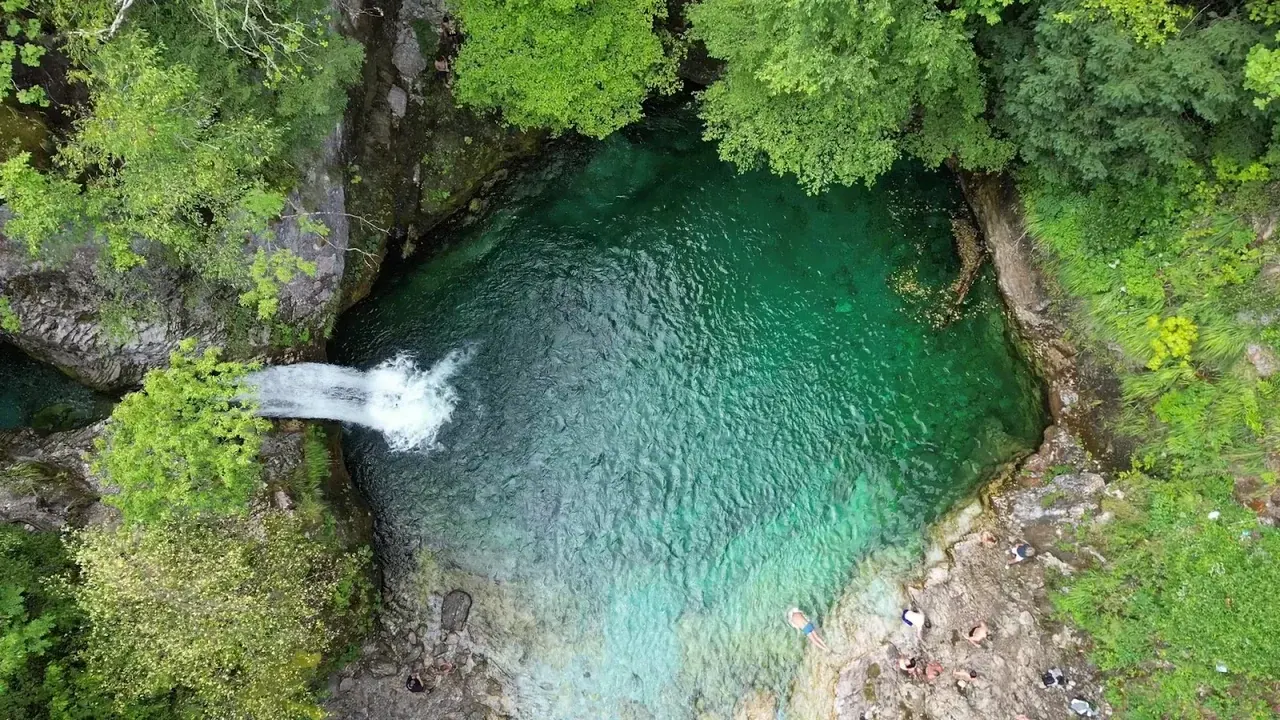
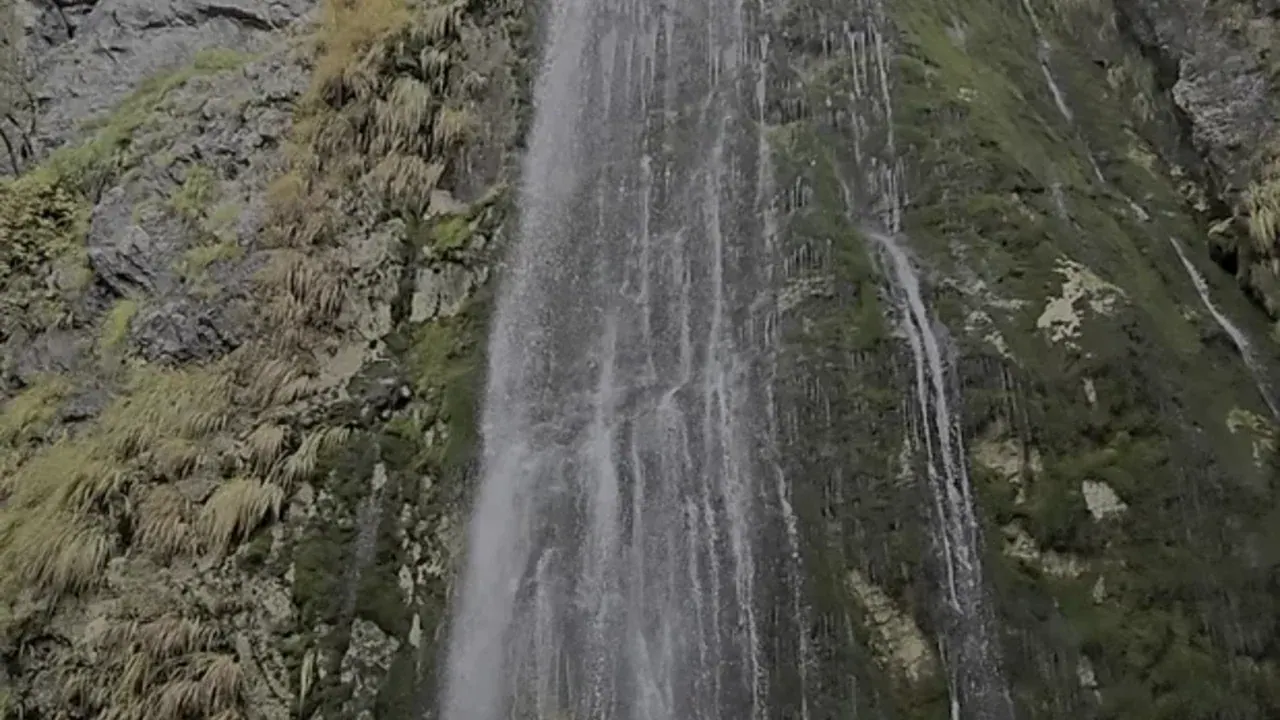
Expect real winter. The valley sits at roughly 750 m and the surrounding peaks rise well above 2,000 m, so snow lies deep from midwinter, temperatures drop well below freezing at night, and daylight is short. The waterfalls that draw summer crowds — Grunas and the Blue Eye — are frozen, snowbound or simply unreachable, and the trails to them are buried.
This is not a landscape to wander into casually. The classic routes, including the Theth to Valbona crossing over the pass, are winter mountaineering undertakings in these months, not the walk-up hikes they are in July. Snow cover hides the path, avalanche risk exists on the steeper ground, and there is no phone signal for long stretches and no ATM or shop to bail you out. If you do plan any winter walking, go with a qualified local guide — arrange one through our activities page — and never solo.
What's actually open
Honestly, very little. A small number of guesthouses may open on request for winter guests, keeping a wood stove burning and cooking half-board, but you cannot assume anything is open by turning up. You must contact hosts directly, confirm they will be there, and book. Prices when open are broadly similar to the warm season — expect something in the half-board range, paid in cash — but availability, not price, is the constraint.
There are no ATMs in Theth at any time of year, and in winter there is even less chance of a shop or card terminal to fall back on. Carry all the cash in lek you will need from Shkodër. Assume nothing is buyable in the valley.
Season-by-month: winter and the shoulders
Use this as a rough guide only, then confirm current conditions — snow years vary enormously.
| Month | Road & access | What's open | Verdict |
|---|---|---|---|
| November | Snow arriving; pass can close after storms | Most guesthouses closing | Fading fast — confirm everything |
| December | Frequently snowbound; icy hairpins | Very limited, on request | Deep winter, experts only |
| January | Peak snow; pass often blocked | Handful on request | Hardest month for access |
| February | Still deep snow; unreliable access | Handful on request | Winter conditions persist |
| March | Snow lingering; access improving late | Starting to consider reopening | Transitional, still wintry |
| April | Melting; pass may still hold snow | Some reopening late month | Early shoulder — verify |
By late April into May the picture shifts towards the shoulder season, when guesthouses reopen and the road becomes dependable again — though high passes can hold snow into June.
Who winter suits
A winter visit makes sense for a narrow group: experienced cold-weather and snow travellers, ski-tourers and snowshoers comfortable with avalanche assessment, and photographers who genuinely accept the access risk and have a confirmed, open guesthouse waiting. If that is you, plan meticulously — book your accommodation and, ideally, a private transfer or guide with a suitable vehicle, carry full winter kit and cash, and build in slack for the pass closing.
For everyone else — first-time visitors, hikers, families, anyone on a fixed schedule — winter is the wrong season. The rewards of Theth are its trails, its waterfalls and its long alpine days, and none of those are available under snow.
Getting there in winter
The Shkodër to Theth route is the only realistic approach, and the scheduled summer furgons do not run reliably, if at all, in deep winter. A private 4x4 transfer arranged through a Shkodër operator or your host is the safest bet when the road is open, because the driver knows the pass and carries chains. Never attempt the icy hairpins in an unsuitable rental, and check your rental agreement — many companies forbid the SH21 outside summer. See our practical info for more on cash, connectivity and seasonal logistics.
Frequently Asked Questions
Can you visit Theth in winter?
Yes, but it is difficult and suits very few travellers. The SH21 is often snowbound over Qafa e Thorës, most guesthouses close, and there is no normal hiking season. It is only realistic for experienced winter travellers who confirm both road access and an open, booked guesthouse in advance.
Is the road to Theth open in winter?
Often not. The SH21 climbs over a ~1,690 m pass that plows try to keep clear, but heavy snow blocks it, sometimes for days, and ice makes the hairpins dangerous. Road status changes constantly, so always confirm the current situation with a local source on the day you plan to travel.
Are guesthouses open in Theth in winter?
Most close from around November to April or May, when owners move down to Shkodër. A handful may open on request, keeping a wood stove going, but you must contact them directly and book — never assume you can turn up and find a bed. Carry cash in lek, as there are no ATMs.
Can you hike in Theth in winter?
Not in the normal sense. Trails are buried in deep snow, waterfalls are frozen, and routes like the Valbona Pass become winter mountaineering undertakings with avalanche risk. Any winter walking should be done only with a qualified local guide and full winter equipment, never solo.
When does Theth reopen after winter?
Broadly late April into May, as the snow melts and the pass becomes reliably passable. Guesthouses reopen through spring and the road firms up, though high passes can hold snow into June. See our shoulder season guide for the transitional months either side of summer.