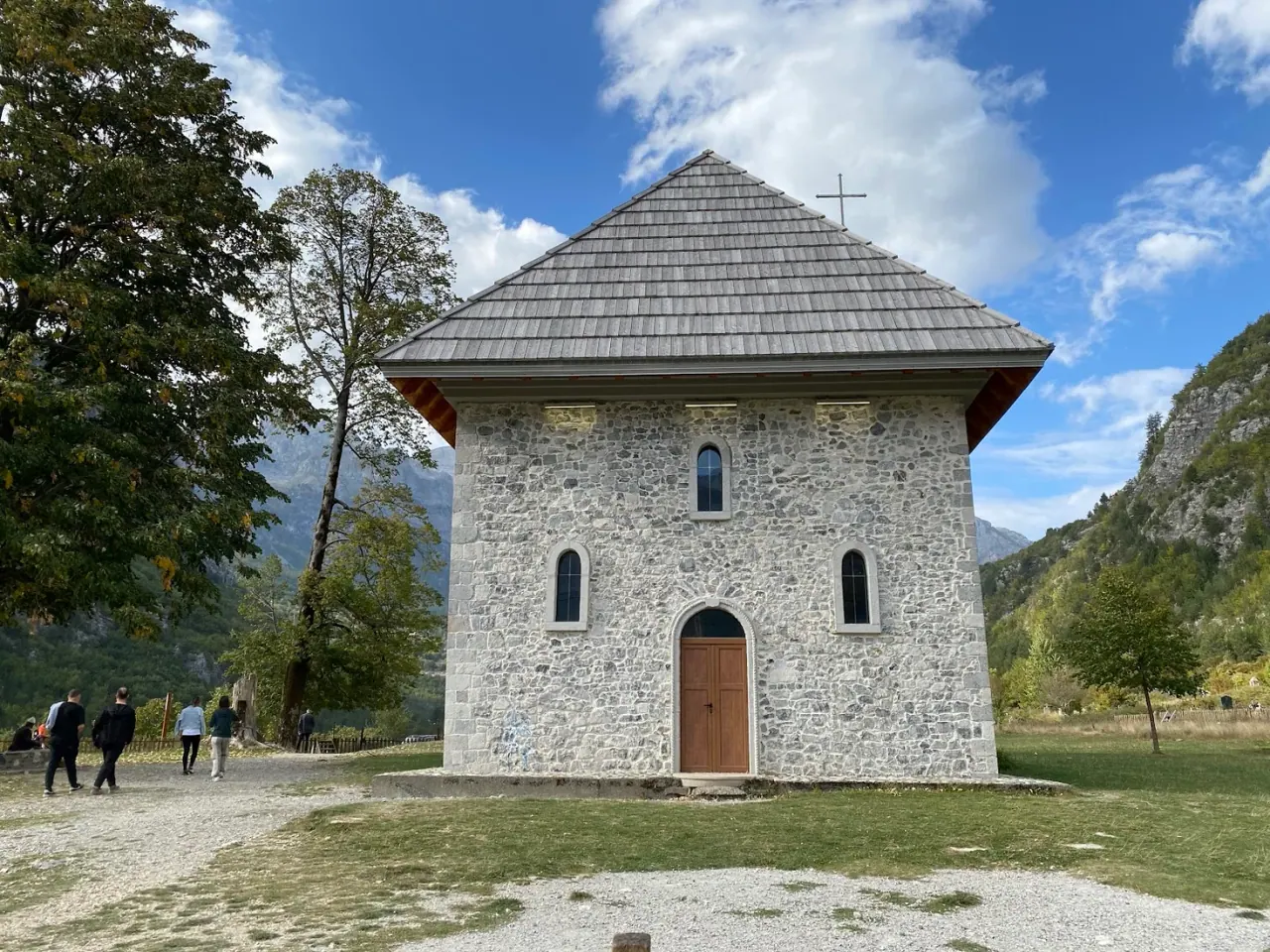
Landmarks in Theth

Sights

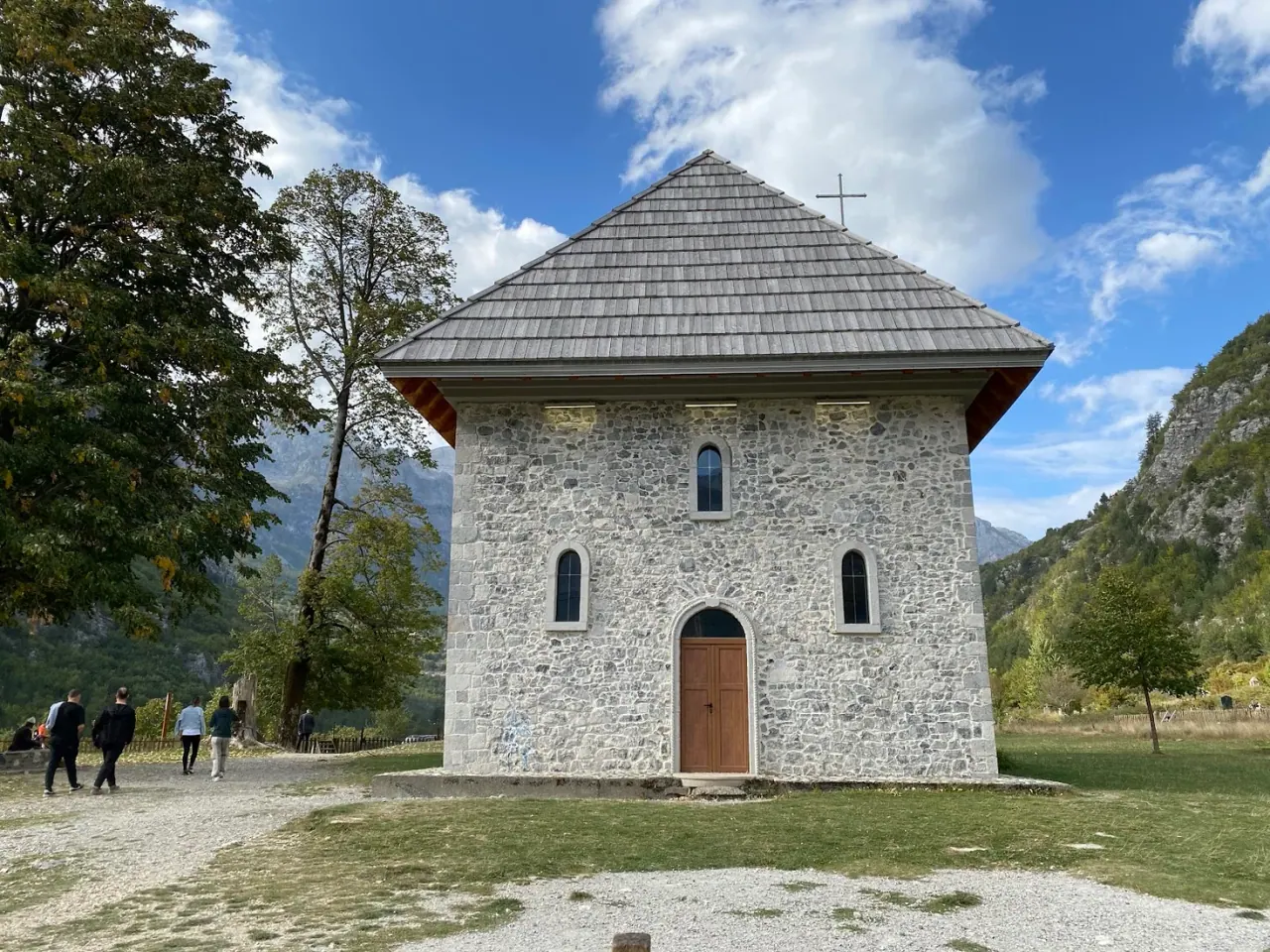
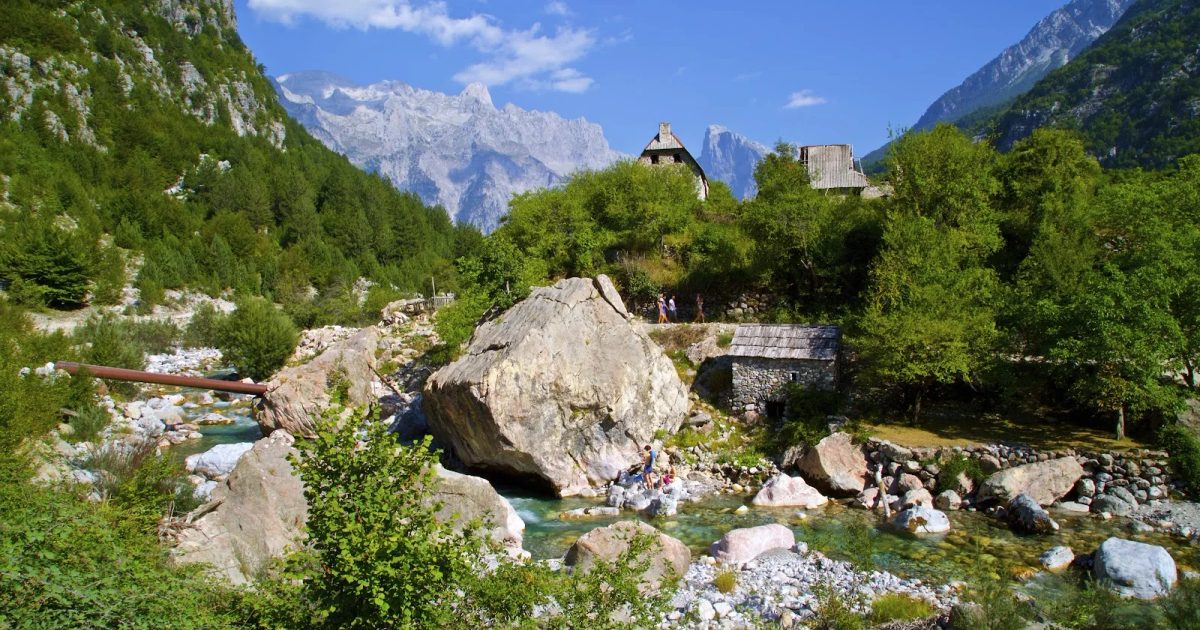
The stone church, the Lock-in Tower, Grunas Waterfall, the Blue Eye of Theth and the old water mills — the sights of a mountain village in the Albanian Alps, most of them reached on foot.

Where to start

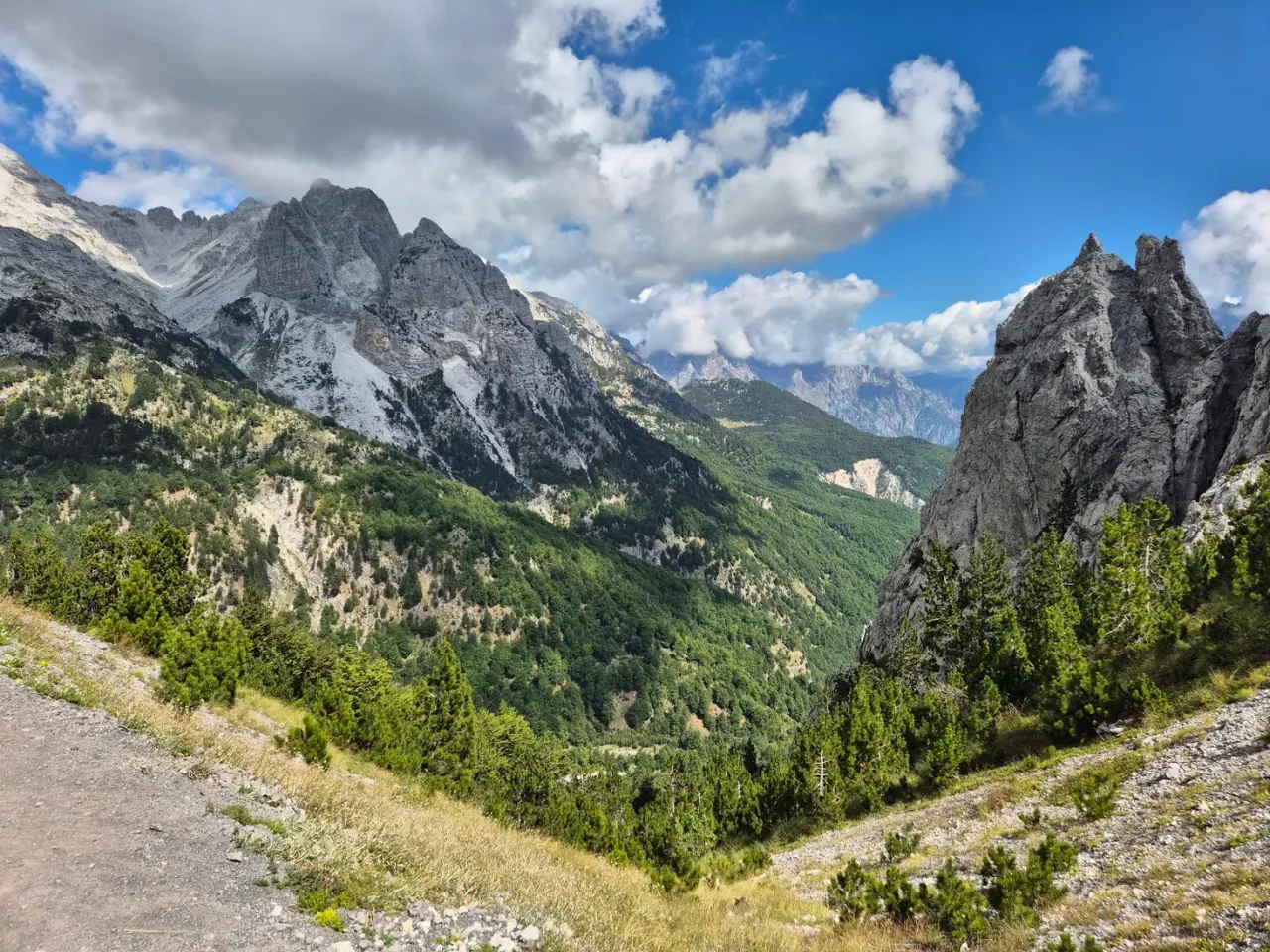
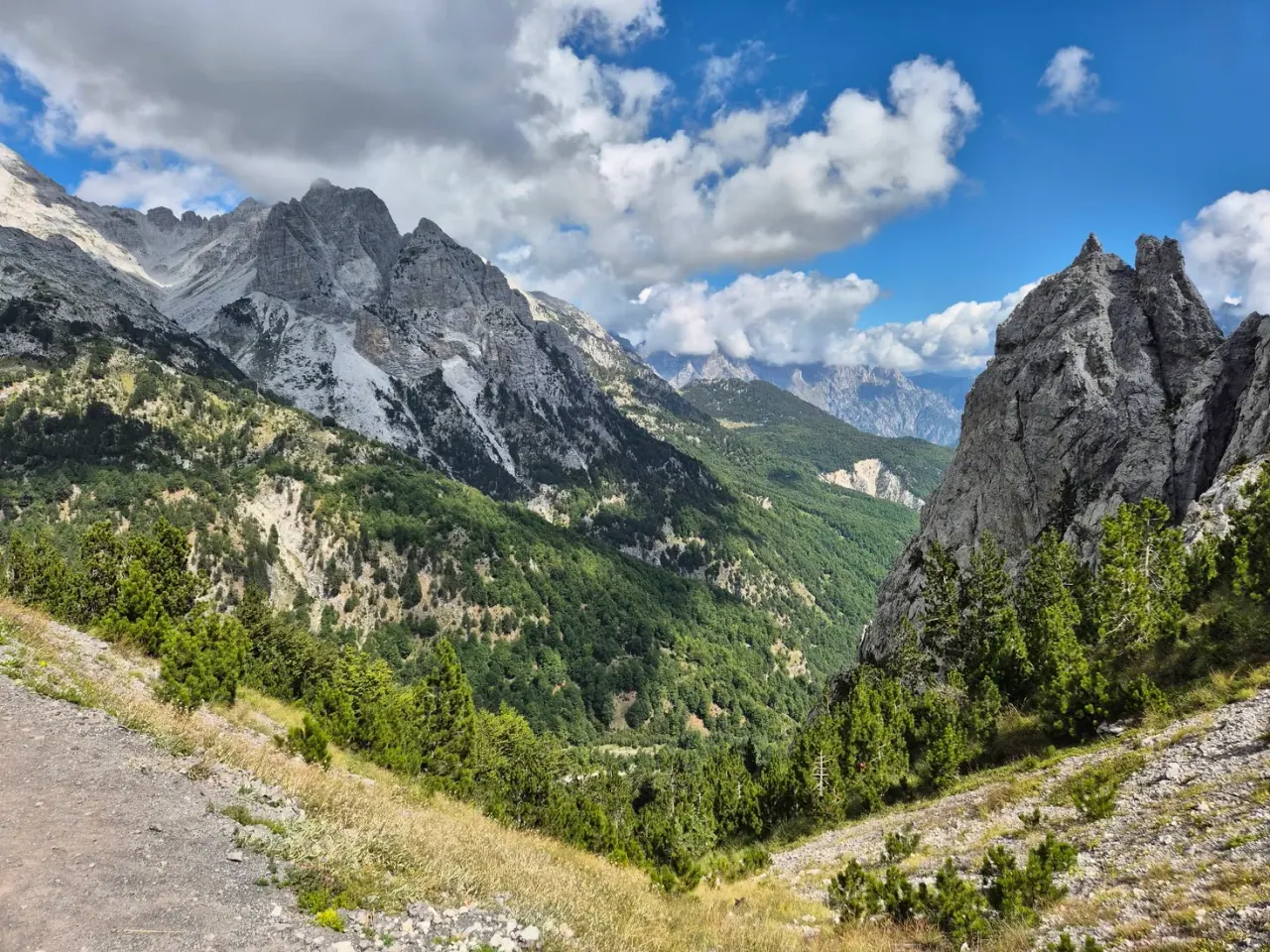
Theth's sights are spread through a glacial valley in the Accursed Mountains — a stone church, a blood-feud tower, waterfalls and a blue spring pool, most within a walk or a short hike of the village centre. First time here? Start with these three.

Good to know: the church, waterfalls and natural sights are free to reach on foot. Smaller sights such as the Lock-in Tower may charge a modest entry fee — confirm on the day, since hours vary with the season.

Planning Your Days in the Valley?

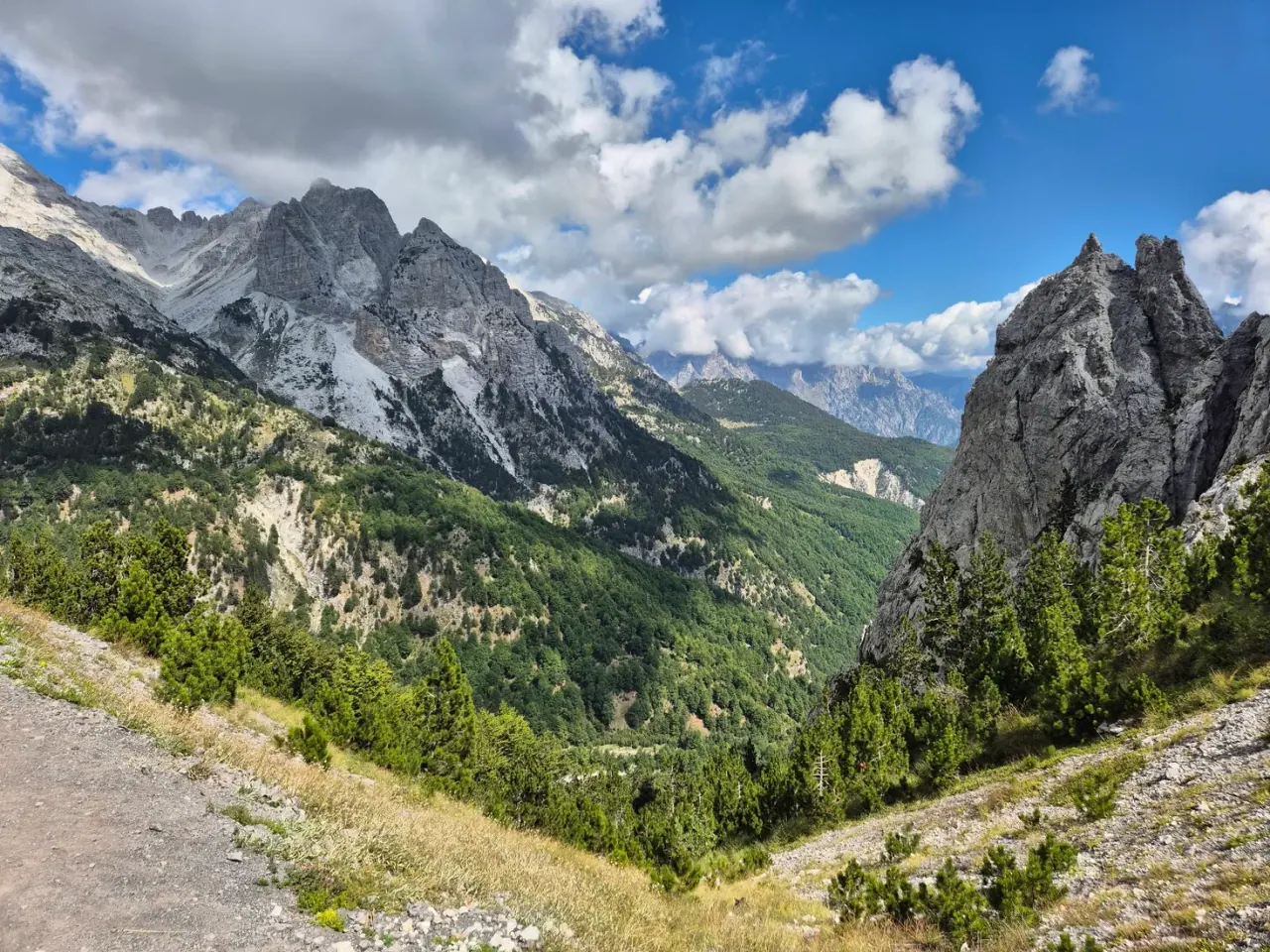
Combine the village sights with a longer hike — the Blue Eye of Theth or the Valbona Pass crossing — and mountain meals at your guesthouse.

Theth Sights — FAQ

What are the must-see sights in Theth?+

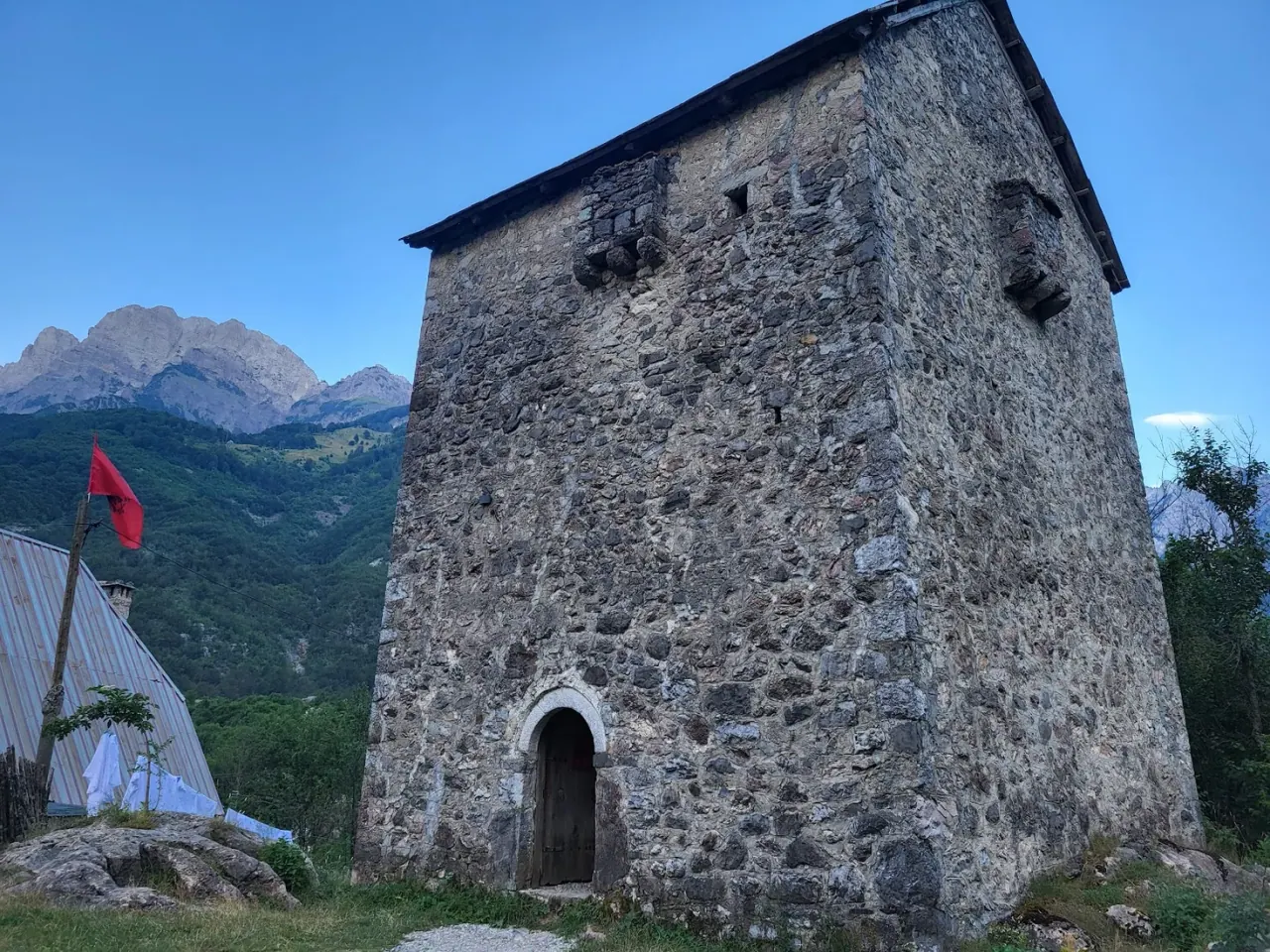
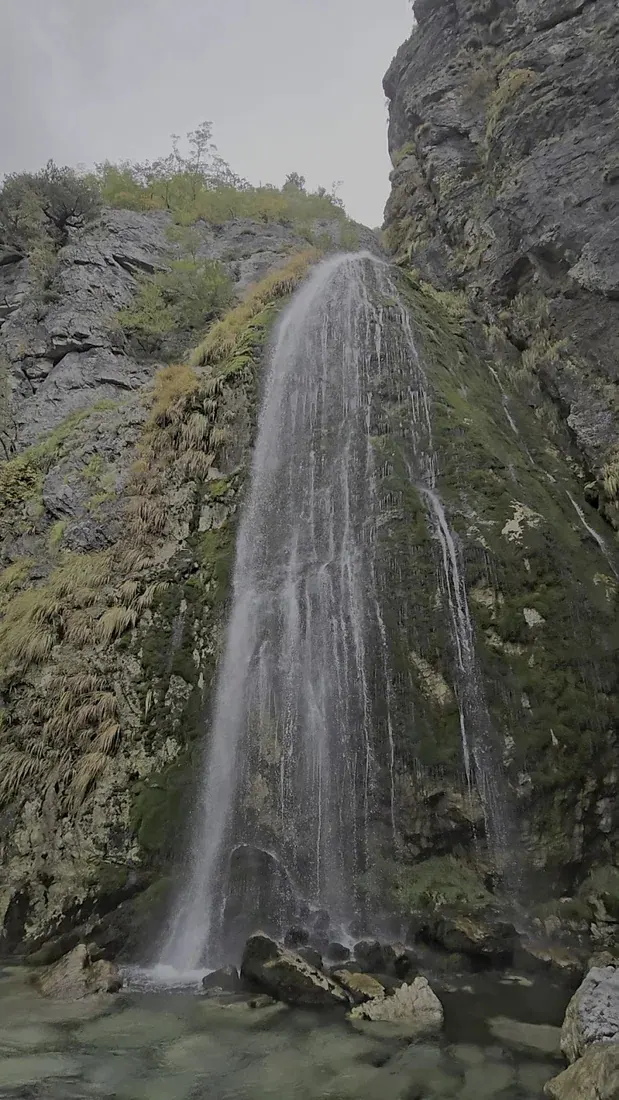
Start with the stone Theth Church, the emblem of the valley, then walk to Grunas Waterfall and, with more time, hike up to the Blue Eye of Theth. The Lock-in Tower — a blood-feud refuge and small museum on the Kanun tradition — and the old water mills round out the village highlights.

Is there an entry fee for Theth's sights?+

The church, waterfalls and natural sights are free to reach on foot. Small sights such as the Lock-in Tower may ask a modest entry fee — confirm on the day, as hours and prices vary by season.

What is the Blue Eye of Theth?+

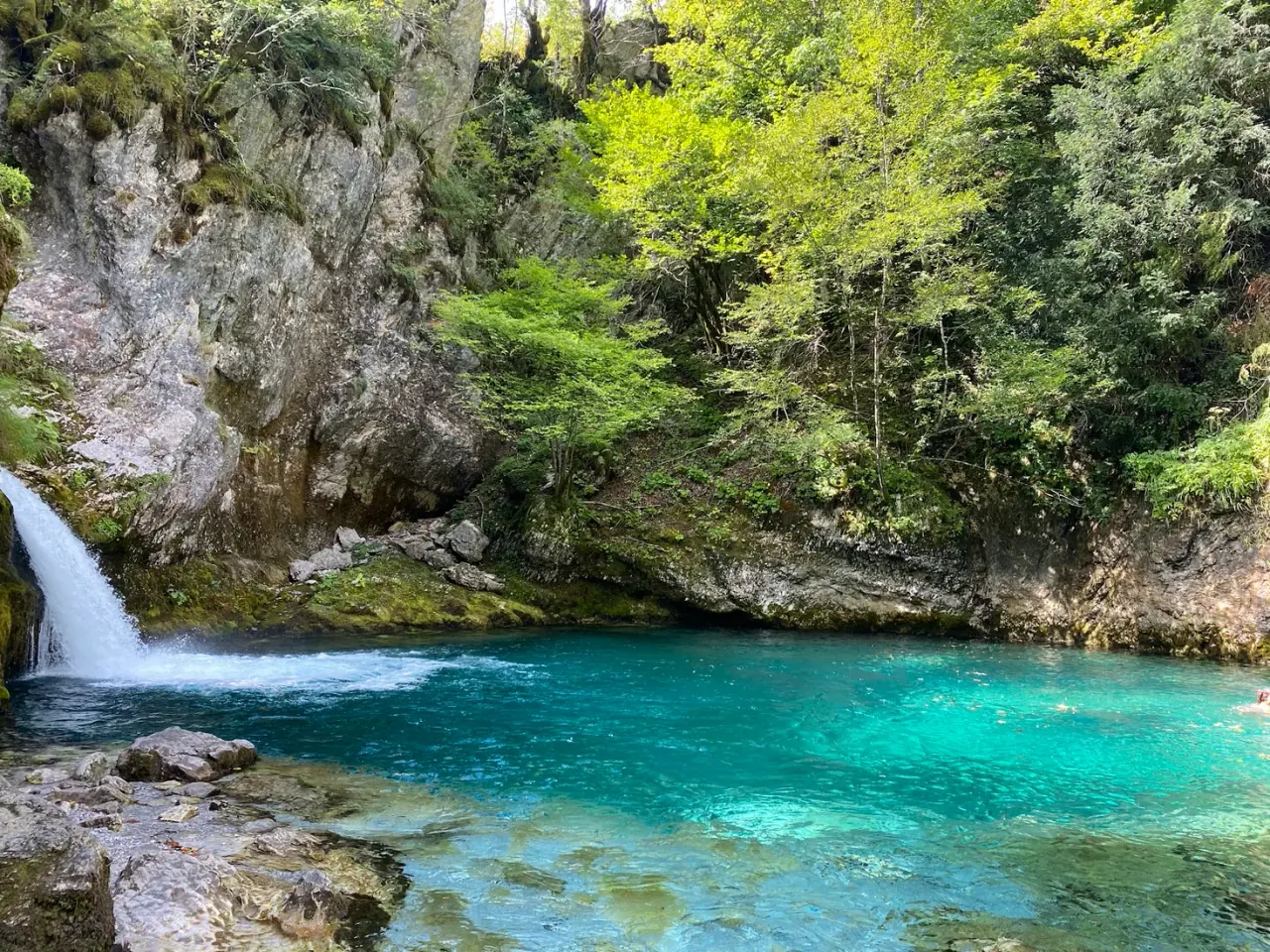
The Blue Eye of Theth (Syri i Kaltër) is a vivid blue spring pool down the valley near Nderlysa, reached on a longer hike through the gorge. It is a different site from the better-known Blue Eye near Sarandë in southern Albania.

How many days do you need to see the main sights?+

One to two days covers the village sights and the shorter walks — the church, Grunas Waterfall, and the Lock-in Tower. Add a day to hike to the Blue Eye of Theth or to cross the Valbona Pass to the neighbouring valley.

What is the Lock-in Tower (Kulla e Ngujimit)?+

It is a stone refuge tower where men once sheltered during blood feuds governed by the Kanun, the traditional highland code. Today it stands as a small museum on that history — one of the most evocative buildings in the valley.