The warmth you feel walking into a guesthouse in Theth is not an accident of tourism — it is the surface of something much older. In the Albanian Alps, hospitality is a matter of honour, codified for centuries in the highland customary law known as the Kanun and anchored in a single word: besa, your given word, held sacred and unbreakable. Once a guest crosses the threshold, protecting and feeding them becomes a point of family honour. Understanding besa and the customs around it is the key to understanding the highlands — and why the welcome here feels different.
This is the pillar for our culture cluster. From here, follow the threads into the Kanun and Theth's lock-in tower and the traditional food that hospitality puts on the table.
Highland customs at a glance
| Concept | What it means |
|---|---|
| Besa | Given word / pledge of honour — sacred, binding, extends to the whole family |
| Kanun | Highland customary law; oral for centuries, written down by 1933 |
| Mikpritja | Hospitality — the guest placed under the host's protection |
| Nderi | Personal and family honour, to be upheld and, if wounded, restored |
| Fis | The patrilineal clan — the basic unit of highland society |
| Gheg | The northern Albanian dialect and highland cultural identity |
The short version: the Kanun regulated highland life through honour rather than the state; besa was its cornerstone; and hospitality was one of besa's highest duties. That inheritance is why a Theth host treats a stranger's safety and comfort as their own responsibility.
Life without a state: the Kanun
For much of their history the northern Albanian highlands governed themselves. Ottoman authority barely reached these valleys, and in the absence of a functioning state the mountains ran on customary law — the Kanun, most famously the Kanun of Lekë Dukagjini, attributed to a 15th-century noble but rooted in far older tradition.
The Kanun was not primarily a written text. It lived in memory, passed down through the generations and enforced by councils of elders, sworn oaths and the collective honour of the clan. It covered everything a society needs to regulate: family and marriage, property and inheritance, contracts, honour, hospitality, and the settling of disputes — including, notoriously, the blood feud. It was finally compiled in writing by the Franciscan priest Shtjefën Gjeçovi and published in 1933 — its 1,262 articles arranged in twelve books, from the Church and the family to honour, damages and blood.
Strip away the specifics and one principle holds the whole thing together: your word, and the honour behind it.
Besa: the word that binds
Besa is usually translated as "pledge of honour", "word of honour" or "solemn oath", but those are thin words for something the highlanders treated as sacred and inviolable. A besa was more than a promise. It could:
- Seal a truce in a feud, guaranteeing that no blood would be taken for its duration.
- Grant safe passage across dangerous ground.
- Place a guest or fugitive under your protection — even someone with no claim of kinship.
Crucially, besa did not bind only the individual. It bound the family, sometimes across generations. To give your besa was to stake the honour of your whole household on keeping it, and to break it was the deepest disgrace a highlander could suffer. In a society without courts or police, this was the mechanism that made agreements trustworthy and travel possible.
The guest under your roof
Nowhere is besa more visible today than in hospitality — mikpritja. Under the Kanun, a guest was placed under the host's protection the moment they entered the home. Feeding them, sheltering them and guaranteeing their safety was not a courtesy but an obligation of honour, and it applied even if the guest were a stranger, even in the middle of a feud. The oft-cited highland ideal was that a host would defend a guest's life as fiercely as a family member's.
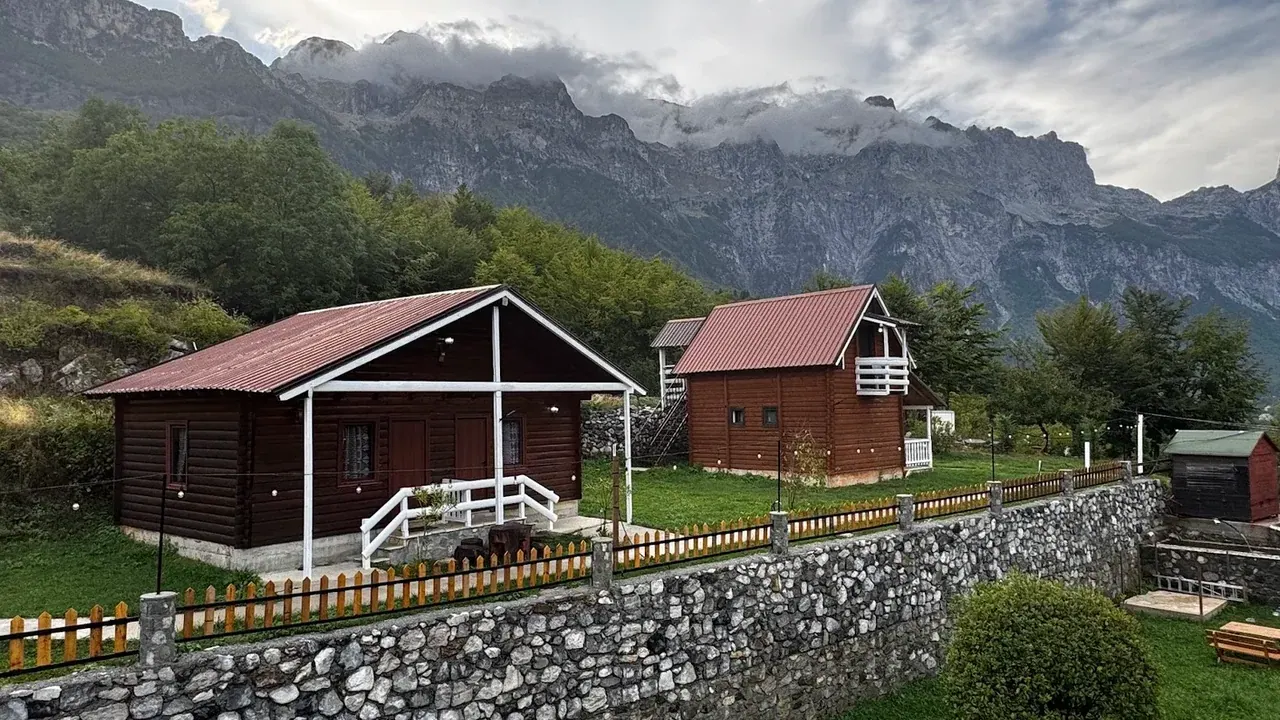
This is the direct ancestor of the welcome you get in Theth. When a guesthouse host presses rakia and a full table on you, insists you eat more, and worries about whether you are warm and safe on tomorrow's hike, you are seeing mikpritja in its modern, gentle form — hospitality as identity, not transaction. It is the reason the traditional guesthouse meal feels less like a service and more like being taken in.
The fis: clan and Gheg identity
Highland society was organised around the fis — the patrilineal clan, tracing descent through the male line, often over many generations, and branching into brotherhoods and larger units. The fis was the frame for everything: land, marriage rules, obligation and honour were all reckoned through it. Loyalty ran to the family and the clan first, and the Kanun's rules on honour and blood made sense within that structure.
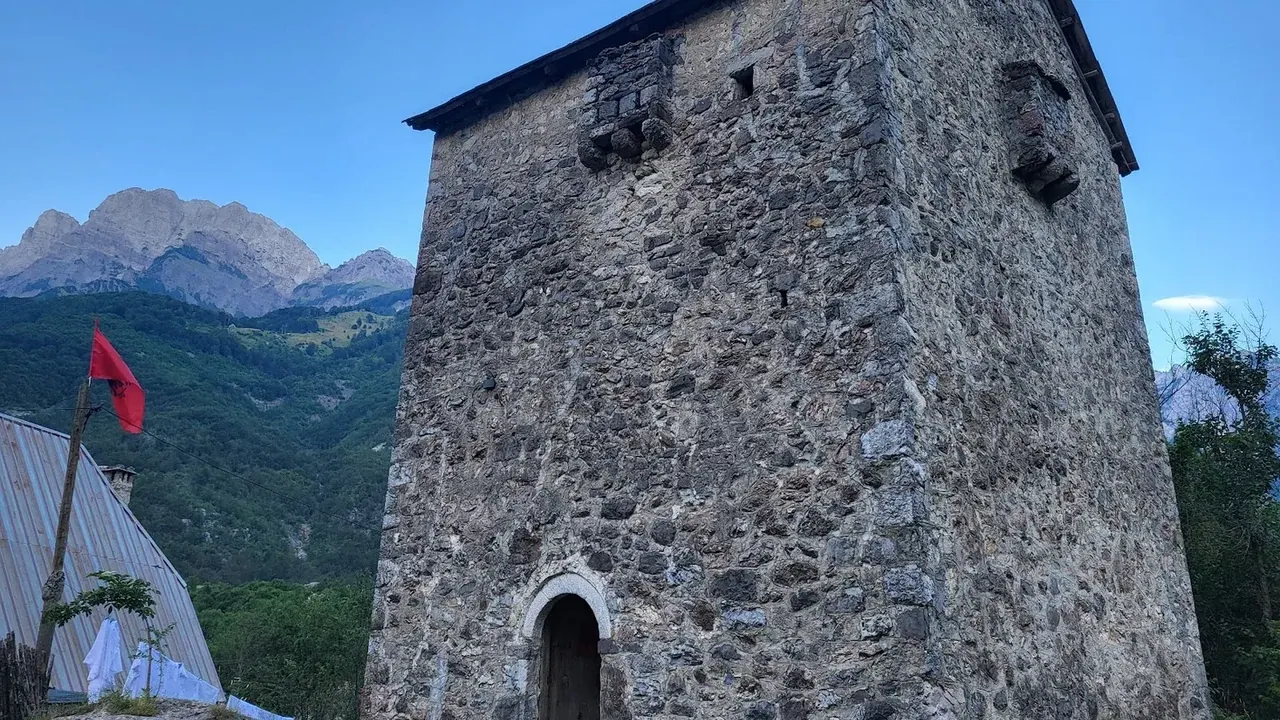
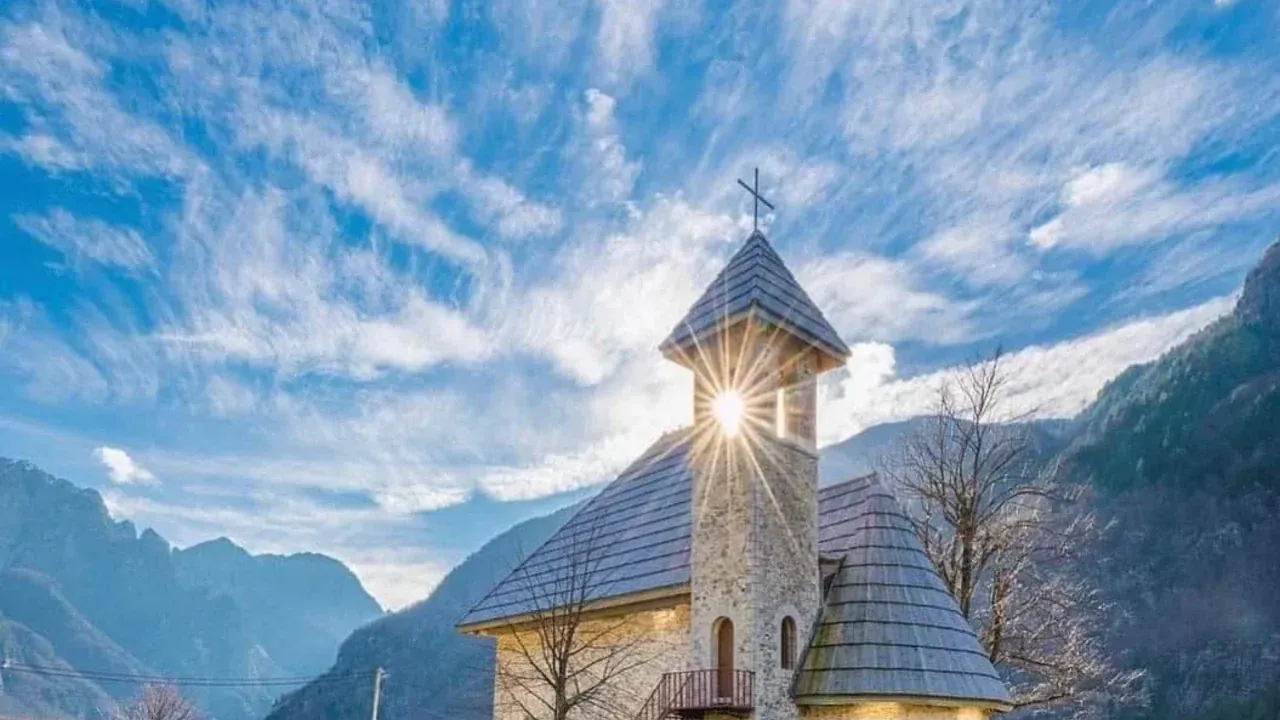
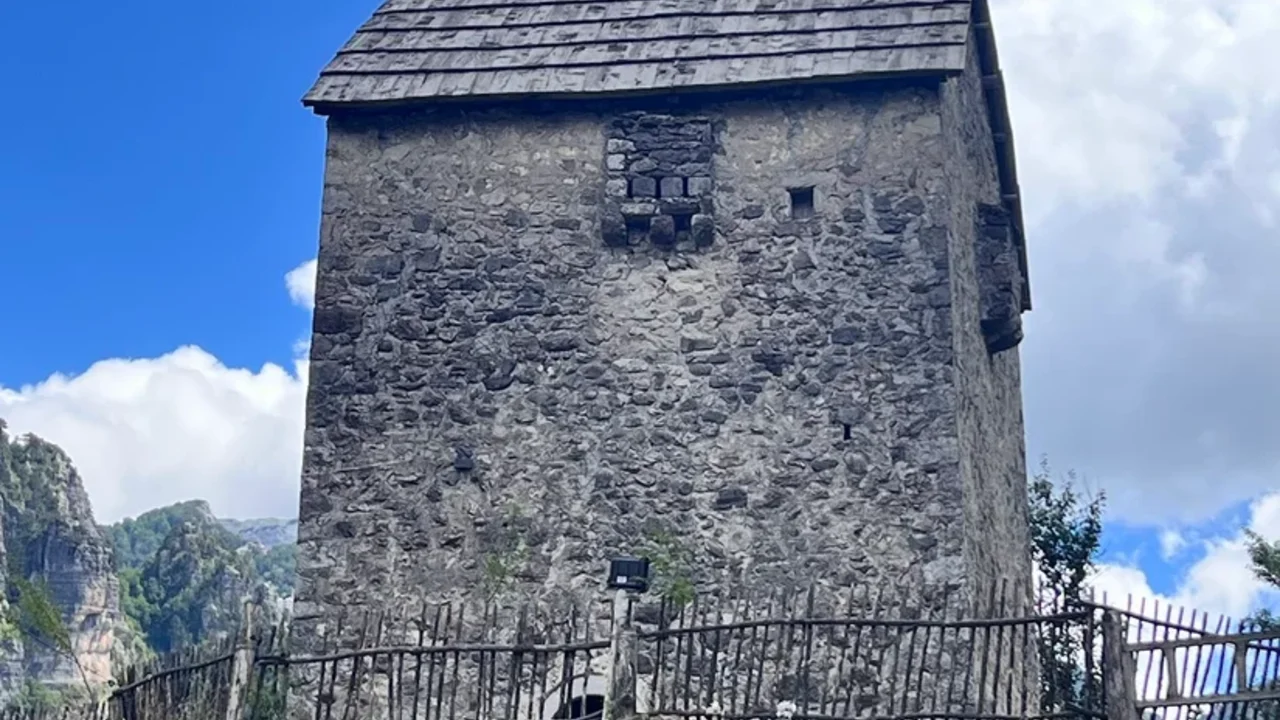
Culturally, these are the Gheg highlands — the northern Albanian dialect and identity, distinct from the Tosk south. It is a world of stone towers, transhumant pasture, Catholic and Muslim highland communities living by the same customary code, and a fierce attachment to independence that let these valleys resist outside rule for so long. Theth's lock-in tower and 1892 church are the built expressions of exactly this world.
The burrnesha: women who lived as men
One of the most striking institutions the Kanun produced was the burrneshë (plural burrnesha), or sworn virgin — a woman who took an irreversible oath of lifelong celibacy before village elders in order to live socially as a man. Because the Kanun was strictly patrilineal, with property, name and authority passing only through men, a family left without a male heir — or a woman determined to escape an arranged marriage — could resolve it this way. The burrneshë wore men's clothes, took a man's name, was addressed in the masculine, and gained a man's rights: to head the household, inherit and manage property, carry weapons and sit on the village council. The oath was binding for life. The institution endured in the highlands for some 600 years and is now nearly extinct — perhaps a dozen elderly burrnesha remain across northern Albania and Kosovo — a living trace of just how completely the Kanun ordered highland life.
What survived, and what didn't
Not everything in the Kanun deserves nostalgia. Gjakmarrja, the blood feud, could trap families in cycles of killing for generations, and its rules on women's status reflect a hard, patriarchal order. Under communism the Kanun was suppressed and its feuds largely ended; blood feud re-emerged in parts of the north after 1991 as a genuine social problem, though it is entirely removed from the traveller's experience — Theth is safe and welcoming, as our is Theth safe guide sets out.
What has endured, and endured beautifully, is the hospitality. The same honour code that once demanded blood also demanded that a guest be protected absolutely, and it is that half of the inheritance you meet as a visitor. Highland families have turned centuries-old mikpritja into the modern guesthouse economy without losing its warmth.
Meeting the customs respectfully
You do not need to study the Kanun to travel well here, but a little awareness goes a long way.
- Accept hospitality graciously. A little rakia, a full plate, a second helping — accepting is part of the exchange. You can decline politely, but recognise the gesture for what it is.
- Treat the culture as living, not a museum. The customs behind your welcome are real and remembered. Ask questions with genuine interest and your host will happily share.
- Support local families directly. Staying in a family-run guesthouse and paying in cash in lek (there are no ATMs in Theth — bring enough from Shkodër or Tirana) puts your money straight into the community that keeps these traditions alive.
- Be a good guest. Punctuality at mealtimes, respect at the church, quiet in the evenings — the reciprocity of besa runs both ways.
To go deeper, read about the Kanun and the lock-in tower, the traditional food that hospitality serves, and how to choose a family-run base in our where to stay in Theth guide — or get oriented with our about Theth overview.
Frequently Asked Questions
What is besa in Albanian culture?
Besa is the Albanian concept of the given word — a pledge of honour regarded as sacred and unbreakable. It could seal a truce, guarantee safe passage or place a guest under protection, and it bound not just the individual but their whole family. In the highlands, breaking your besa was the deepest possible disgrace.
What were the Albanian sworn virgins (burrnesha)?
Burrnesha (singular burrneshë) were women who took an irreversible oath of lifelong celibacy under the Kanun to live socially as men — wearing men's clothes, taking a man's name, heading the household, inheriting property, carrying weapons and sitting on the village council. In the strictly patrilineal highlands it was a way for a family with no male heir, or a woman avoiding an arranged marriage, to gain a man's rights. The tradition lasted around 600 years and is now nearly extinct, with only about a dozen elderly burrnesha left in northern Albania and Kosovo.
What is the Kanun?
The Kanun is northern Albania's traditional customary law — oral for centuries and attributed to the 15th-century noble Lekë Dukagjini, though older in origin. It governed family, property, honour, hospitality and blood feud in the absence of a state, and was compiled in writing by Franciscan priest Shtjefën Gjeçovi, published in 1933.
Why are people in Theth so hospitable?
Highland hospitality (mikpritja) is a matter of honour rooted in the Kanun and besa: a guest crossing the threshold was placed under the host's protection, and feeding and safeguarding them was an obligation, not a courtesy. Today's warm guesthouse welcome in Theth is the living, gentle descendant of that centuries-old custom.
What is a fis?
A fis is a patrilineal clan — the basic unit of traditional highland society, tracing descent through the male line across many generations and branching into brotherhoods and larger groups. Land, marriage, obligation and honour were all reckoned through the fis, and the Kanun's rules made sense within that clan-based structure.
Do these customs still affect visitors today?
The harsh parts — blood feud and rigid clan law — belong to history and do not touch travellers; Theth is safe and welcoming. What visitors genuinely encounter is the hospitality half of the tradition: the generous, honour-bound welcome that turns a guesthouse stay into something closer to being taken into a highland home.