The best photographs of Theth come down to two things: standing in the right place, and being there at the right time of day. The stone church in the meadows at golden hour, the turquoise Blue Eye under midday sun, the valley seen from above on the passes — each has an ideal light, and a deep mountain valley gives and takes that light quickly. This guide runs through Theth's signature photo spots, the time of day to shoot each one, and the practical notes on gear, drones and weather.
If you are weighing up whether the valley is worth the trip at all, our is Theth worth visiting piece makes the case; this guide is for once you have decided to bring a camera.
Best light by location
| Spot | Best light | Why |
|---|---|---|
| Theth church | Golden hour (early morning / late evening) | Warm side-light on stone, peaks glowing behind |
| Blue Eye | Late morning to early afternoon | Direct sun lights the pool to full turquoise |
| Grunas Waterfall | Overcast or shade | Softer light, longer exposures, no harsh highlights |
| Valbona Pass viewpoint | Morning | Sun behind you over the eastern ridges |
| Peja Pass / Maja e Harapit | Morning | Clear air before cloud builds on the peaks |
| Village from above | Golden hour | Long shadows model the valley floor |
The short version: shoot the church and the wider valley at either end of the day for warm, raking light; save the Blue Eye and river pools for when the sun is high enough to reach into the water; and use overcast spells for the waterfall. Cloud builds on the peaks through the afternoon, so the high viewpoints reward an early start.
The church at golden hour
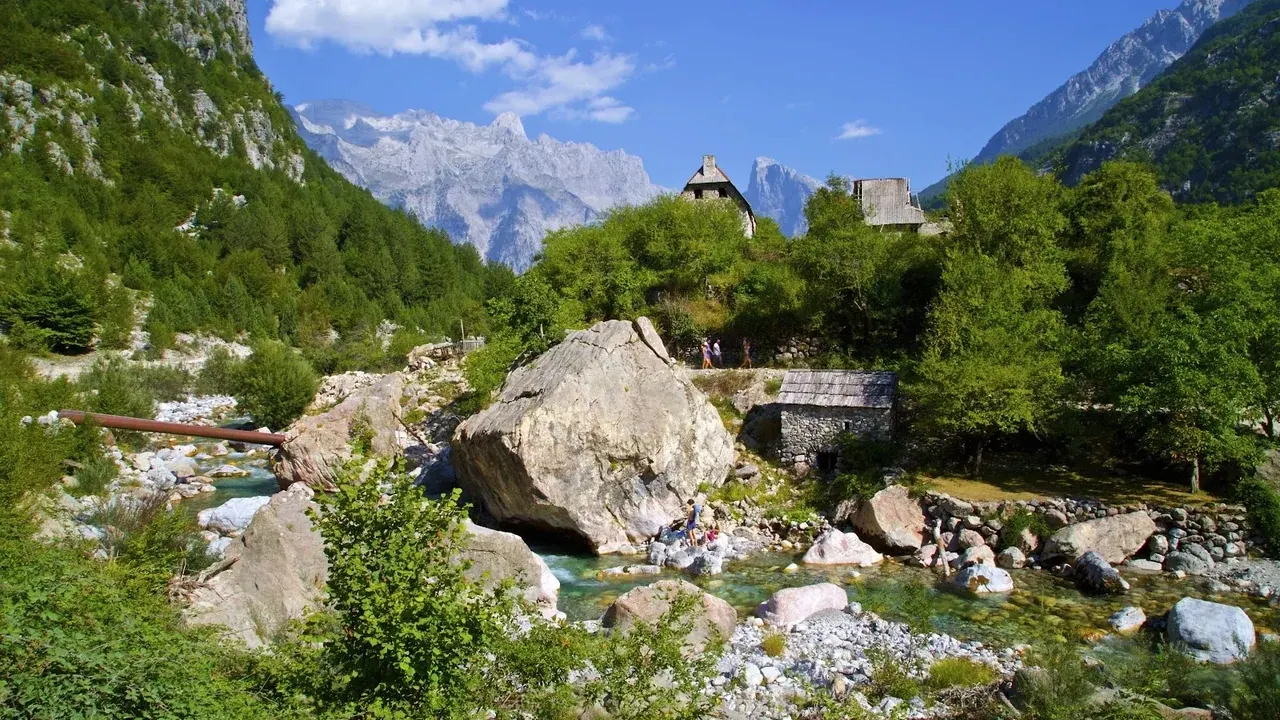
The church of Theth — stone-and-timber, built in 1892, standing alone in the meadows — is the definitive image of the valley, and it is at its best in the soft, warm light of early morning or late evening. At those hours the low sun rakes across the stonework and lights the peaks behind it, while the midday sun tends to flatten the whole scene.
Work it from several angles: wide, with the mountains filling the frame; lower, using the meadow grasses and streams as foreground; and from the slopes above for the classic elevated shot. Early morning has the bonus of mist lifting off the valley floor. For the building's story, see our Theth church guide.
The Blue Eye in full turquoise
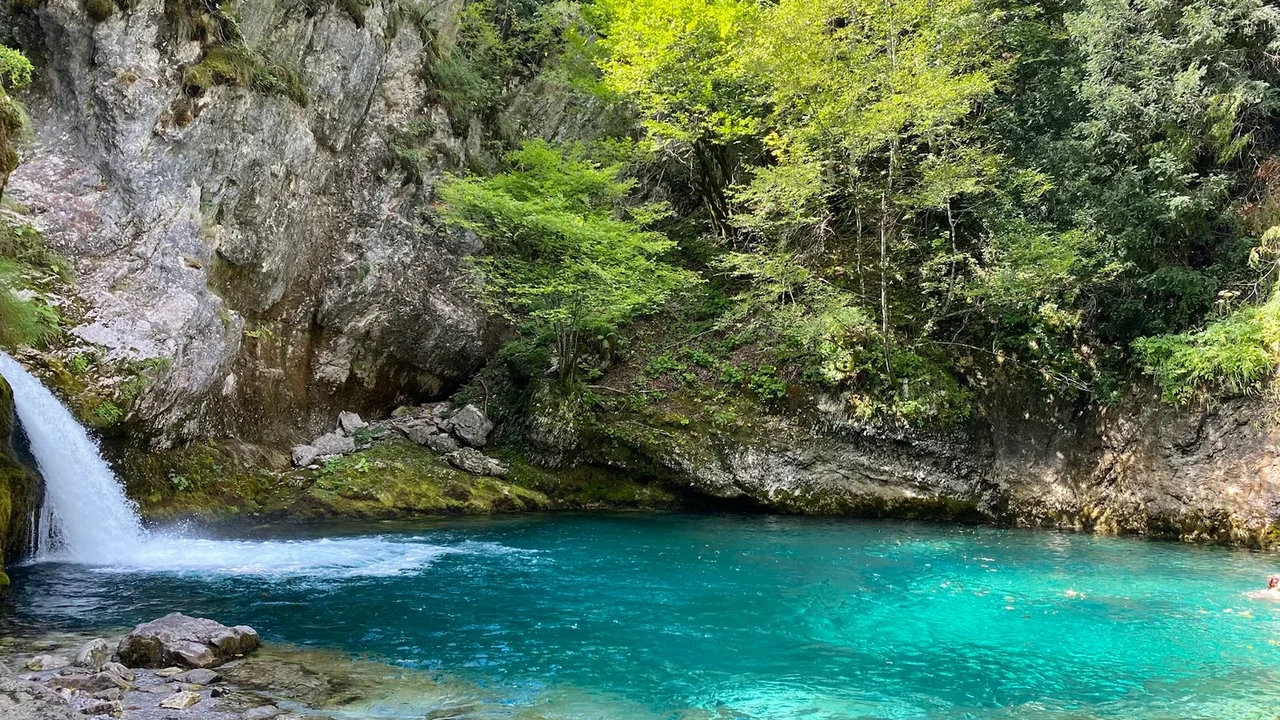
The Blue Eye only shows its astonishing colour when light reaches into the water, so time it for late morning to early afternoon when the sun is high enough to clear the valley walls. Shoot from the edge and from the little bridge above for the deep-blue overhead view. A polarising filter is the single most useful accessory here — it cuts the surface glare and lets the turquoise read properly.
The pool sits well down the valley near Nderlysa, a full day's outing, so plan the timing to arrive with the sun already on the water. Details are in our Blue Eye of Theth guide.
Grunas Waterfall
Grunas Waterfall is the opposite problem: bright direct sun blows out the white water and deepens the shadows in the gorge. Aim for an overcast spell or the shaded part of the day, when the light is even. That also lets you slow the shutter — a tripod and a longer exposure turn the falls silky. It is an easy walk in from the village; our Grunas Waterfall guide has the route.
The high viewpoints: Valbona and Peja passes
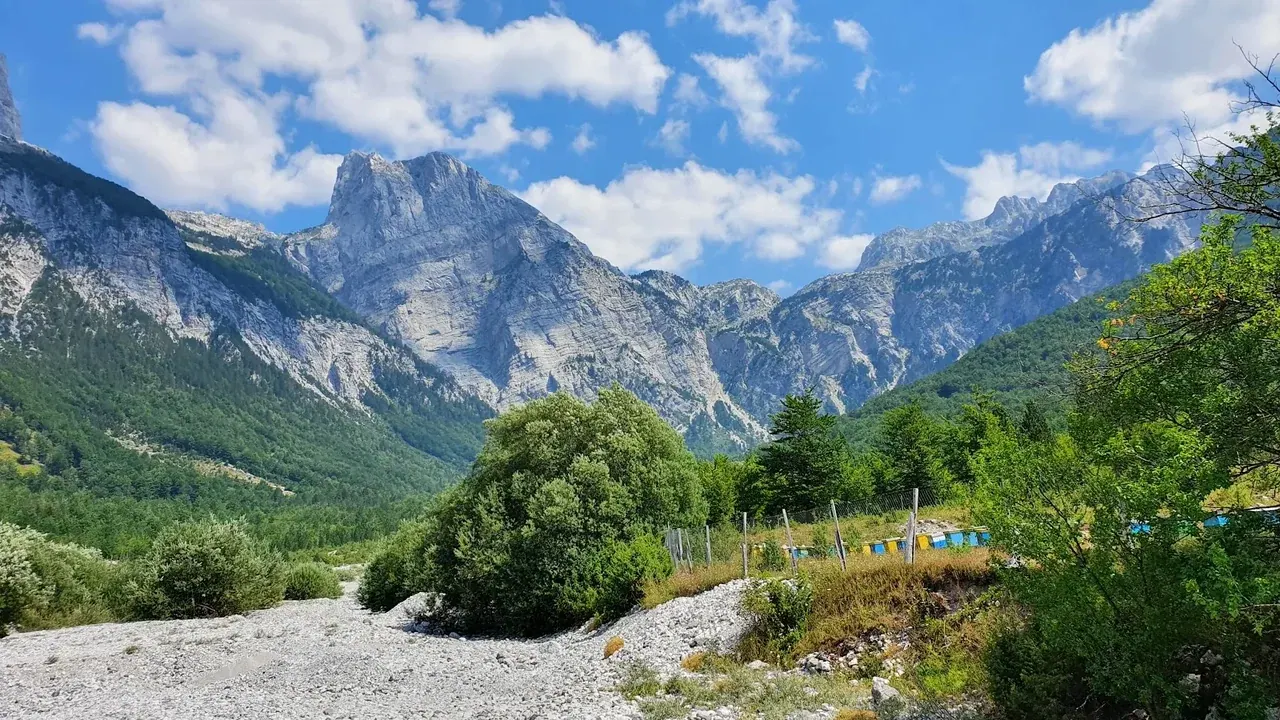
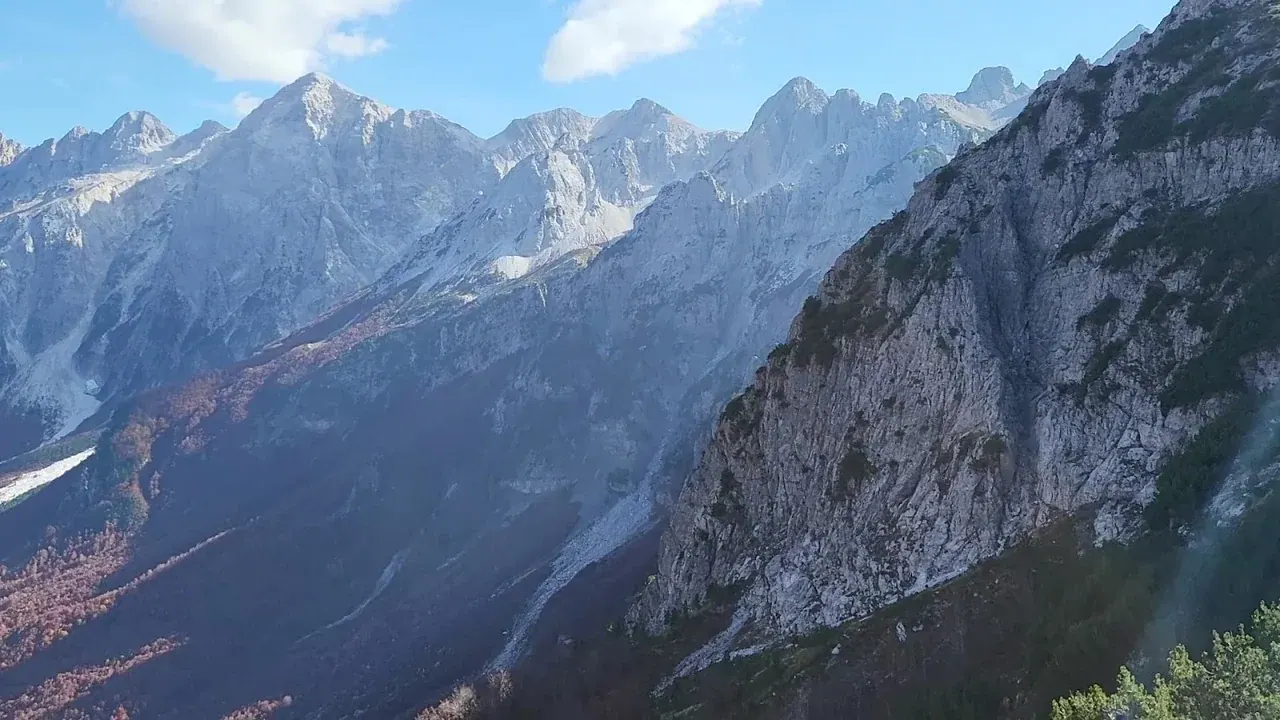
For the grand, top-down valley shots, you have to climb. The Valbona Pass and Peja Pass both open up sweeping views of the peaks and the valley floor, and both are best photographed in the morning, before the cloud that so often builds over the Accursed Mountains in the afternoon rolls in. The pyramid of Maja e Harapit, the "Albanian Matterhorn", is the star subject from the Peja side. These are serious hikes, so read best hikes in Theth and plan the walk before you plan the photo.
Gear, drones and weather
A few practical notes for shooting in the valley:
- Filters: a polariser for the water and skies, and a neutral-density filter if you want long waterfall exposures.
- Tripod: worth carrying for golden-hour, low-light and waterfall work.
- Batteries and storage: there is limited power and no camera shop in the valley — bring spare batteries and cards, and remember guesthouse electricity can be intermittent.
- Weather: mountain light changes fast; the best skies often come right after a passing shower, so do not pack up when it rains.
- Drones: the scenery is tailor-made for aerial shots, but Albania's drone rules are evolving and not fully settled. Registration and permission requirements are tightening, commercial use in particular may need clearance, and you should always avoid flying over people, homes and livestock. Check the current Civil Aviation Authority position before you fly, and ask locally.
For connectivity while you scout locations, note that mobile signal in the valley is patchy; download offline maps, and if you want reliable data on the Albanian side, an eSIM such as Saily is the simplest option since Albania is outside EU roaming. To scout the shots in advance, browse the valley's landmarks.
The light through the seasons
Theth photographs differently through the year, and the season you choose shapes the whole look of your images. Early summer gives you the most colour: green meadows, full rivers and the last snow streaking the high peaks, all under long northern daylight. High summer is warm and reliable but hazier, and the valley is at its busiest, so early starts matter more for clean, people-free frames. The shoulder weeks either side — late spring and early autumn — are a photographer's favourite, with softer light, clearer air after the summer haze, and autumn colour creeping into the beech forest. Winter transforms the valley into a snowbound scene, but access is difficult, most guesthouses close and it is not a casual shoot. For timing your trip, see best time to visit Theth.
A sample photo day
To catch the best light at each spot you have to plan the day around the sun rather than the map. A productive single day might run: first light at the church for warm side-light and valley mist; a late-morning walk out towards the river and pools once the sun is high enough to bring out the turquoise; the shaded midday hours at Grunas Waterfall, where flat light and a slow shutter do their best work; and back near the village for golden hour, shooting the church again or climbing a little for the elevated view of the valley floor in long shadow. The high pass viewpoints are the exception — they demand an early morning of their own, before the afternoon cloud builds over the peaks — so give them a dedicated day rather than trying to squeeze them in. If you are planning how long to stay, our how many days in Theth guide helps you fit the light around the walking.
Above all, build in patience. The best mountain photography here rewards those who wait — for the mist to lift off the church, for a shaft of sun to break through onto the peaks, for the cloud to clear from a pass. A valley this deep and this changeable rarely hands you the shot on the first try, so plan more than one visit to your key spots if you can, and treat a "wasted" grey hour as scouting for the light that comes after.
Frequently Asked Questions
What is the best time of day to photograph Theth church?
Golden hour — early morning or late evening — when low, warm sun rakes across the stonework and lights the peaks behind it. Midday sun flattens the scene. Early morning has the added bonus of mist rising off the meadows. Shoot it wide with the mountains, and from the slopes above for the classic elevated view.
When does the Blue Eye look most turquoise in photos?
Late morning to early afternoon, when the sun is high enough to reach past the valley walls and into the water — that is what brings out the vivid turquoise. A polarising filter is the key accessory, cutting surface glare so the colour reads properly. Since the pool is a full day's walk away, time your arrival for when the light is on it.
Can you fly a drone in Theth?
The scenery suits drones, but Albania's drone regulations are evolving and not fully settled, with registration and permission rules tightening and commercial use likely needing clearance. Always avoid flying over people, homes and livestock, keep within sight and daylight, and check the current Civil Aviation Authority position and any local restrictions before you fly.
Do I need special gear to photograph Theth?
Not really, but a few items help: a polarising filter for the water and skies, a neutral-density filter and tripod for silky waterfall shots, and spare batteries and cards since there is no camera shop and power can be intermittent. Otherwise the valley's light and scale do most of the work.