The short answer: the Albanian Alps give you Dolomites-grade limestone scenery for roughly a third of the cost and a fraction of the crowds, but the Dolomites have vastly more developed trail infrastructure, huts and access. Both are jagged karst mountain ranges with world-class hiking; they are just at completely different points on the development curve. If you want raw, quiet, cheap and adventurous, choose Albania. If you want polished, connected, well-serviced and easy to reach, choose Italy. Here is the honest comparison.
For the wider case on the Albanian side, see is Theth worth visiting.
At a glance
| Albanian Alps (Accursed Mountains) | The Dolomites | |
|---|---|---|
| Country | Albania (also Montenegro, Kosovo) | Italy (South Tyrol, Trentino, Veneto) |
| Rock | Limestone / dolomitic karst | Dolomite limestone |
| Highest peak | Maja Jezercë ~2,694 m | Marmolada ~3,343 m |
| Cost | Very low (~⅓ of Western Alps) | High, Western European prices |
| Crowds | Light; solitude easy to find | Very heavy in peak season |
| Hut network | Sparse; village guesthouses instead | Dense, professional rifugio network |
| Trail marking | Improving but patchy | Extensive, well-signed, mapped |
| Access | Slow, furgon, ferry, mountain roads | Easy, airports, cable cars, buses |
| Signature trek | Peaks of the Balkans | Alta Via routes |
The short version: the scenery is genuinely comparable, and Albania wins decisively on cost and quiet. The Dolomites win decisively on infrastructure, huts and access. Your priorities decide it.
Scenery: closer than you'd think
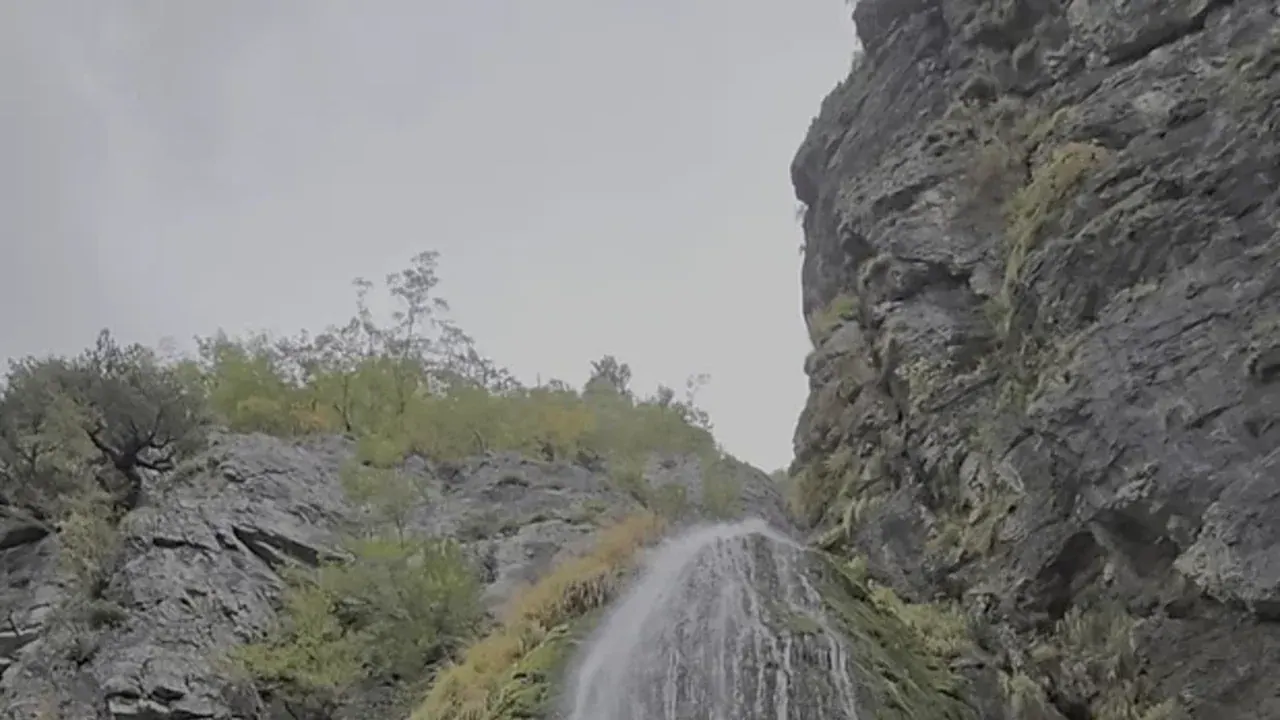
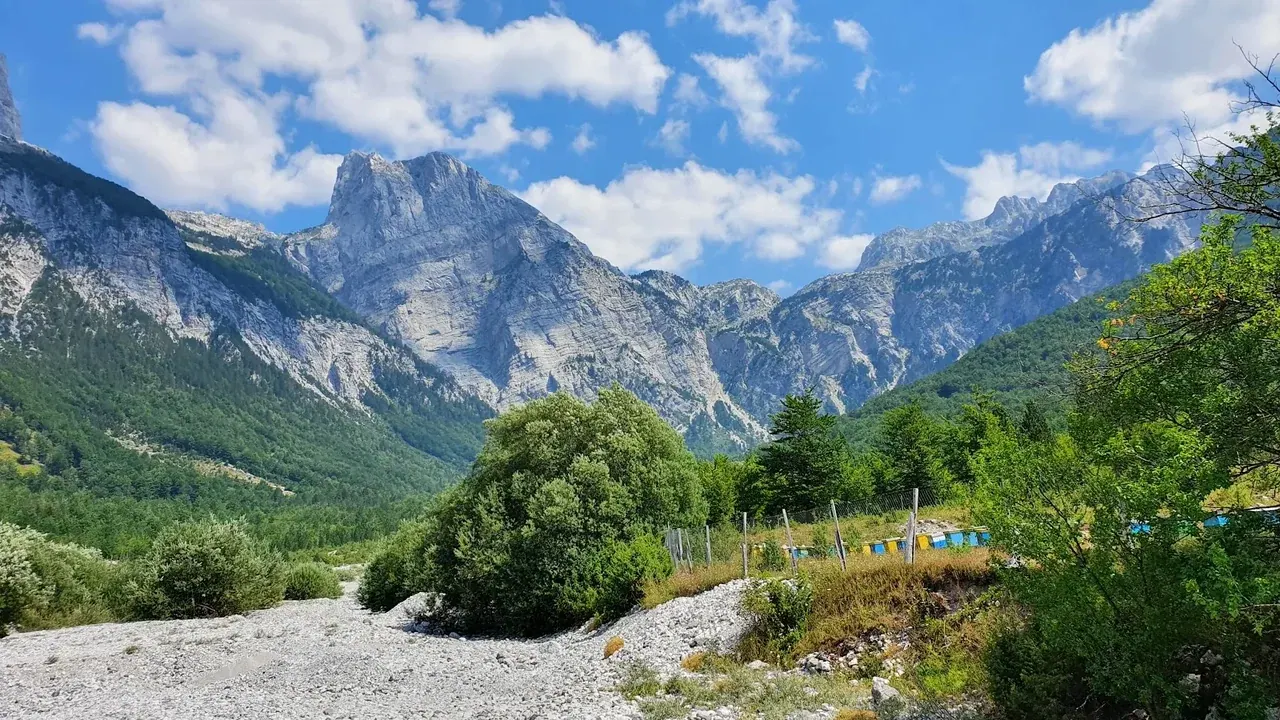
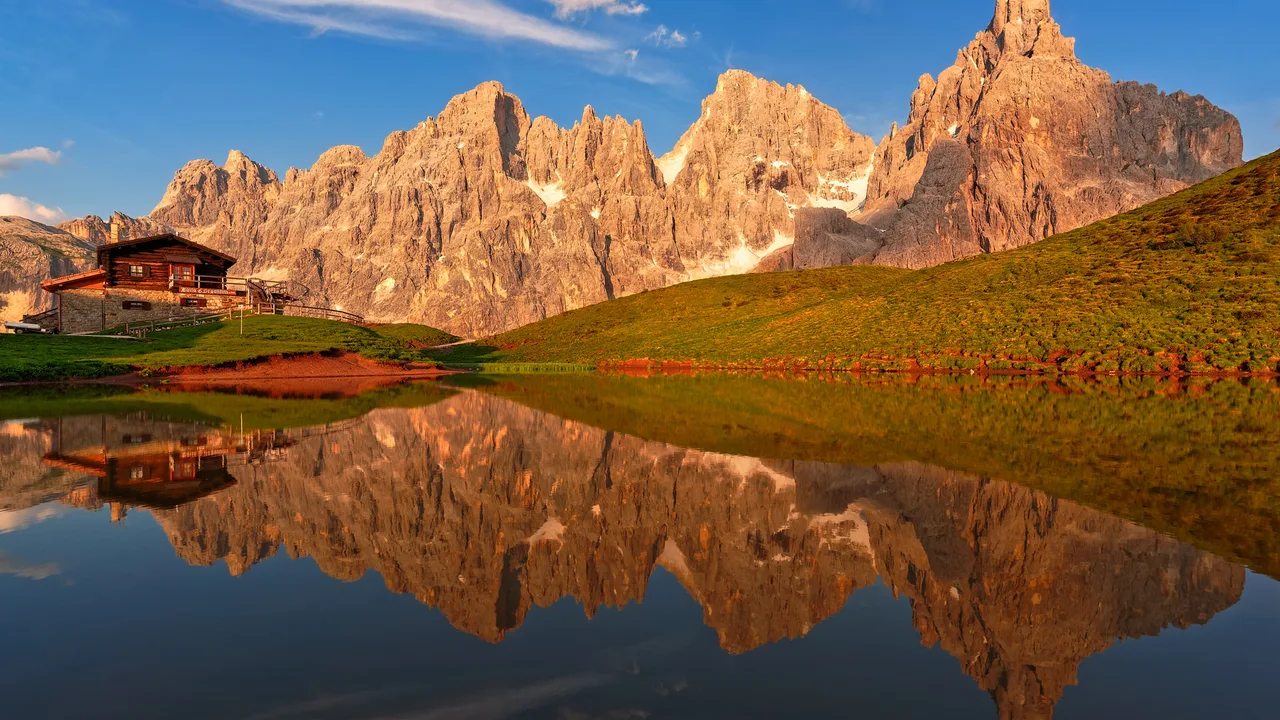
The Dolomites are a UNESCO-listed byword for dramatic mountains, pale vertical limestone towers, sheer walls and that famous rose-tinted alpenglow. The Albanian Alps, part of the Prokletije or "Accursed Mountains", are cut from similar dolomitic limestone karst: jagged grey peaks, deep glacial valleys, turquoise springs and sheer faces that genuinely rival the Italian range for drama.
The Dolomites go higher, Marmolada tops out around 3,343 m against the Albanian Alps' highest, Maja Jezercë, at about 2,694 m, but height is not the same as spectacle, and on the ground the Albanian peaks feel every bit as imposing. What differs is not the beauty but everything built around it.
Crowds: the clearest win for Albania
This is where the two ranges diverge most starkly. The Dolomites are extremely popular, one of Europe's busiest mountain regions, drawing enormous visitor numbers, with famous trailheads, cable cars and lakes that can be overwhelmed in July and August. Solitude takes real effort to find.
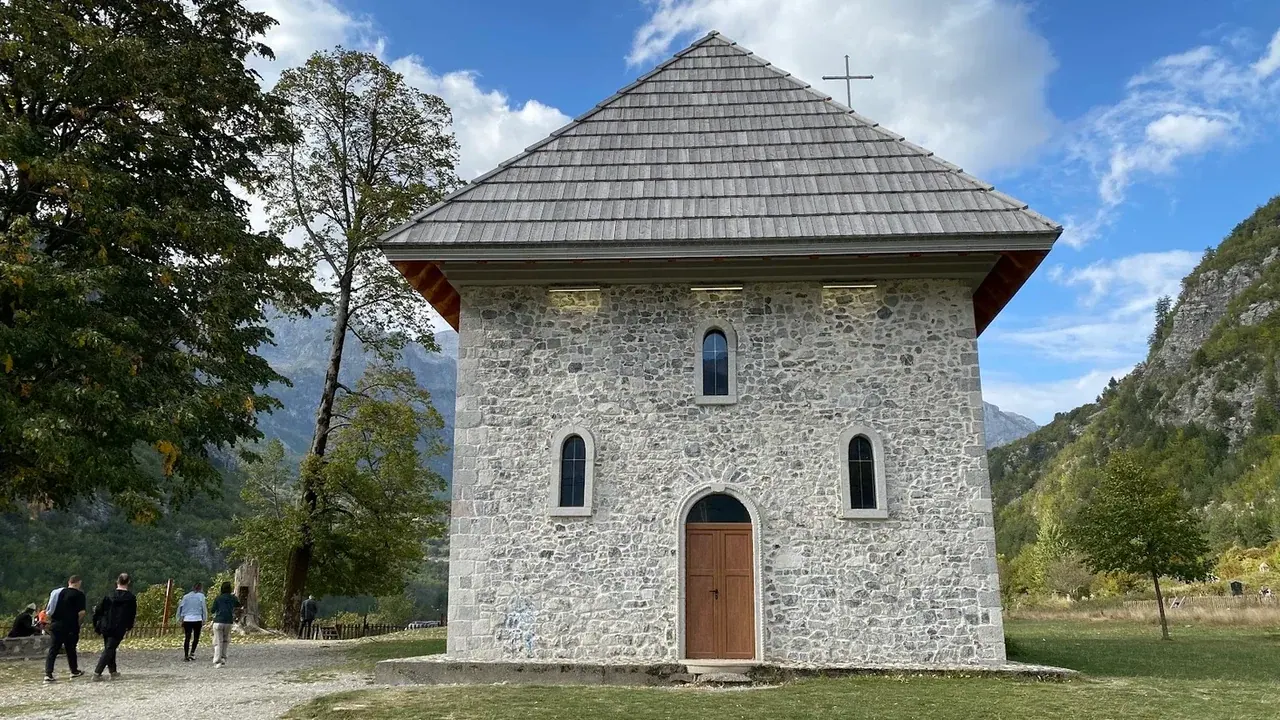
The Albanian Alps see a tiny fraction of that traffic. Even in peak summer, on the higher passes it is entirely possible to walk for hours without seeing another person. Theth and the Theth–Valbona crossing get busy by Albanian standards, but "busy" here would count as deserted in the Dolomites. If escaping crowds is high on your list, this is the deciding factor.
Cost: roughly a third
Money is the other decisive gap. Hiking the Albanian Alps costs on the order of one-third of what an equivalent Western European trip runs, and plenty of travellers who priced up the Dolomites came to Albania precisely for that reason.
Concrete Albanian numbers:
- Furgon from Shkodër up to Theth: around 1,200 lek (~€12).
- Half-board guesthouse (bed, breakfast, dinner):
2,000–3,500 lek (€20–35) per person/night. - Little else to spend on once you are in the valley.
In the Dolomites, a bed in a rifugio with half-board, mountain-region food prices and paid cable cars add up to many times that per day. One important logistical catch for Albania: there are no ATMs in Theth, so you must carry all your cash in lek from Shkodër or Tirana. See our budget and cash guide. In the Dolomites, cards and ATMs are everywhere.
Infrastructure and huts: the Dolomites win
Here the honesty runs the other way. The Dolomites have one of the world's best mountain-hut systems. A dense network of professionally run rifugi with beds, hot meals and staff, linked by meticulously signed and mapped trails and served by cable cars and lifts. You can hike hut-to-hut for a week (the Alta Via routes) with a light pack and a reliable roof each night. It is superbly organised.
The Albanian Alps are not there yet. There is no comparable high-mountain hut network; instead you sleep in village guesthouses down in the valleys, wonderful, characterful and hospitable, but it means longer days linking villages rather than short hops between huts. Trail marking is improving but still patchy, mapping is thinner, and mountain rescue and services are limited. This is genuinely more adventurous, more self-reliant hiking, and for some that is the appeal, but it is a real difference, not a rounding error. Come prepared: offline maps, proper research and, on the long routes, often a local guide.
Access: easy Italy, slow Albania
The Dolomites are easy to reach, multiple nearby airports (Venice, Verona, Innsbruck), good roads, buses and lifts that deliver you high into the mountains with minimal effort.
Theth and the Albanian Alps take more getting to. From Tirana airport you route via Shkodër, then either up the SH21 mountain road (paved since 2021 but slow and switchbacking) or in via the scenic Koman Lake ferry and Valbona. It is part of the adventure, but budget the time. See how to get to Theth. The reward for the extra effort is the quiet and the price.
Wildlife and wildness
There is one more way the Albanian Alps out-do the Dolomites: wildness. The Accursed Mountains still hold populations of brown bear, grey wolf, lynx and chamois, along with wild goat and roe deer. You are very unlikely to see the large animals, but you are walking through genuinely wild country where they live. The forests are less managed, the valleys less developed, and the sense of remoteness is real rather than staged.
The Dolomites, for all their beauty, are a heavily developed alpine playground, cable cars, ski infrastructure, road access high into the range and a landscape shaped by mass tourism over generations. That polish is exactly what makes them so accessible, but it is the opposite of wilderness. In Albania the trade-off is reversed: rougher edges, fewer services, more nature left to its own devices.
The signature treks
Both ranges have a flagship long-distance route. In the Dolomites it is the Alta Via trails, hut-to-hut classics threading the most famous scenery. In the Albanian Alps it is the Peaks of the Balkans. A cross-border loop through Albania, Montenegro and Kosovo that starts and ends near Theth, requires cross-border permits, and delivers remote, big-country walking. For shorter outings, our best hikes in Theth covers the day walks.
When each one wins
- Choose the Albanian Alps if you want dramatic scenery on a budget, real solitude, cultural immersion in village guesthouses, and a more adventurous, self-reliant style of hiking, and you do not mind slow access, patchy trail marking and carrying cash.
- Choose the Dolomites if you want the best mountain-hut infrastructure in the world, meticulously marked trails, easy access by air and cable car, and a polished experience, and you are willing to pay Western European prices and share the trails with crowds.
Many keen hikers end up doing both, a few years apart. But if the Dolomites' cost or crowds put you off, the Albanian Alps are the standout alternative, get oriented with our about Theth overview.
Frequently Asked Questions
Are the Albanian Alps as beautiful as the Dolomites?
Genuinely close. Both are jagged dolomitic-limestone ranges with sheer walls, deep valleys and turquoise water. The Dolomites are higher, Marmolada is about 3,343 m versus Maja Jezercë's ~2,694 m, but on the ground the Albanian peaks are every bit as dramatic. The real difference is infrastructure and crowds, not scenery.
Are the Albanian Alps cheaper than the Dolomites?
Much cheaper, roughly a third of the cost. A half-board guesthouse in Theth runs about 2,000–3,500 lek (€20–35) per person nightly and the furgon up is around 1,200 lek (€12), against Western European prices for Dolomites rifugi, food and cable cars. Note there are no ATMs in Theth, so carry lek.
Do the Albanian Alps have mountain huts like the Dolomites?
Not really. The Dolomites have a dense, professionally run rifugio network with signed hut-to-hut routes. The Albanian Alps have no comparable high-mountain hut system; instead you sleep in village guesthouses down in the valleys, which means longer linking days and a more self-reliant, adventurous style of hiking.
Which is easier to reach, Theth or the Dolomites?
The Dolomites, by a wide margin, several nearby airports, good roads, buses and cable cars. Theth takes more effort: fly into Tirana, transfer to Shkodër, then take the SH21 mountain road or the Koman Lake ferry route. The slower access is part of why the Albanian Alps stay so quiet and cheap.
Which should I choose for hiking?
Choose the Albanian Alps for solitude, low cost and adventurous, self-reliant walking; choose the Dolomites for world-class hut infrastructure, meticulous trail marking and easy access. If crowds and expense have put you off the Dolomites, the Albanian Alps are the best-value alternative in Europe for comparable mountain scenery.